|
|
|||
|
||||
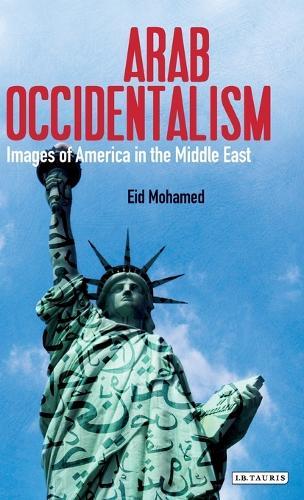
OverviewWhen Barack Obama was elected in 2008, his foreign policy was at first seen to be the antithesis of that of his predecessor, George W. Bush. Eid Mohamed highlights how in the wake of this change of US administration, Arab media, literature and cinema began to assert the value of America as a potential source of 'change' while attempting to renegotiate the Arab world's position in the international system. Arab cultural representation of the United States has variously changed and developed since 9/11, and again in the wake of the protests in 2011 and the ensuing political turmoil in Egypt, Libya, Yemen, and of course, Syria. Taking this into account, Mohamed offers an examination of the ways in which stereotypes of America are both presented and challenged through cinema, fiction and the wider media and intellectual production. Rather than seeing this process as one where the Middle East reacts to and attempts to negotiate with western modernity, Mohamed instead highlights the significant interplay of religion, pop culture and politics and the role they play in shaping the complex relation between America and the nations of the Middle East. Full Product DetailsAuthor: Eid Mohamed (Doha Institute of Graduate Studies, Qatar)Publisher: Bloomsbury Publishing PLC Imprint: I.B. Tauris Volume: 146 Dimensions: Width: 13.80cm , Height: 2.80cm , Length: 21.60cm Weight: 0.413kg ISBN: 9781780769387ISBN 10: 1780769385 Pages: 232 Publication Date: 26 May 2015 Audience: College/higher education , Postgraduate, Research & Scholarly Format: Hardback Publisher's Status: Active Availability: Manufactured on demand We will order this item for you from a manufactured on demand supplier. Table of ContentsForward. Melani McAlister Introduction Chapter 1: The US in Arab Cinema Chapter 2: The US in Arab Fiction Chapter 3: The US in Modern Arab Media and Intellectual Life Chapter 4: The US in (Arab) American Writings ConclusionReviews'Rather than seeing this process as one where the Middle East reacts to and attempts to negotiate with western modernity, Mohamed instead highlights the significant interplay of religion, pop culture and politics and the role they play in shaping the complex relation between America and the nations of the Middle East.' unnamed reviewer, The Middle East Magazine. Author InformationEid Mohamed is a Balsillie School of International Affairs Postdoctoral Fellow (Waterloo) and Adjunct Professor of Middle Eastern Studies at the Department of History, University of Guelph. He holds a PhD in American Studies from George Washington University. Tab Content 6Author Website:Countries AvailableAll regions |
||||