Full Product Details
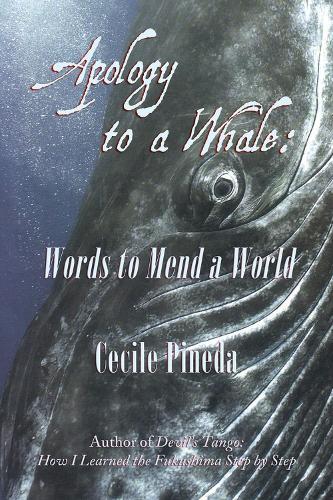
Author: Cecile Pineda
Publisher: Wings Press
Imprint: Wings Press
Dimensions:
Width: 15.20cm
, Height: 1.70cm
, Length: 22.90cm
Weight: 0.322kg
ISBN: 9781609404406
ISBN 10: 1609404408
Pages: 236
Publication Date: 01 September 2015
Audience:
General/trade
,
General
Format: Paperback
Publisher's Status: Active
Availability: Available To Order

We have confirmation that this item is in stock with the supplier. It will be ordered in for you and dispatched immediately.
Reviews
Cecile Pineda has the nerve to ask the one simple question that eludes our public posturing and computations. It is the one question that could save us: What has happened to our mind that we are killing our world? What is it, at the root of our culture that sets us against the rest of creation? The genius of this book is that the question supersedes the answers and takes us on explorations where we make our own discoveries. These widening apprehensions not only pierce us with heartache for what we have lost, but invite us to examine the imprisoning structures of the very language we use. Cecile Pineda has the rare and enviable capacity to address the big questions without falling into abstractions or sermonizing. It is the artist in her that I trust, and that utters so potent a call to personal and collective liberation. Joanna Macy, author, Coming Back to Life
Cecile Pineda has the nerve to ask the one simple question that eludes our public posturing and computations. It is the one question that could save us: What has happened to our mind that we are killing our world? What is it, at the root of our culture that sets us against the rest of creation? The genius of this book is that the question supersedes the answers and takes us on explorations where we make our own discoveries. These widening apprehensions not only pierce us with heartache for what we have lost, but invite us to examine the imprisoning structures of the very language we use. Cecile Pineda has the rare and enviable capacity to address the big questions without falling into abstractions or sermonizing. It is the artist in her that I trust, and that utters so potent a call to personal and collective liberation. -Joanna Macy, author, Coming Back to Life Finding Cecile Pineda's 2015 Apology to a Whale: Words to Mend a World was a rare treat. Readers who treat themselves to this title will find it a challenging, impressive, alarming, collection of speculative analysis about the end of the world and how we got here . . . . The title alludes to all nature, not whales alone. With the world entering environmental devastation at the hands of humanity, humanity owes nature an apology in the way of an acknowledgement of what we've done . . . . Presented in challenging, impressive, alarming ways, Apology to a Whale shows it's enough to get one's juices stirred up, allow persistent ideas to ferment until one finds a personal language that addresses a dying world with more than words of succor. -Michael Sedano, labloga.blogspot.com With the sixth mass extinction currently underway (Maroun and Atkins, forthcoming), Apology to a Whale is a timely literary work joining a growing academic and public discussion on Earth's existential crisis. Violence and inequality is the theme running throughout, underlining the current environmental destruction. The author correctly observes the interconnectedness of various levels of political, social and economic systems which contribute to the extinction of species: not only do ecological systems depend on all living organisms for survival, but humanity, as Pineda argues, needs to collaborate and value one another in order to survive. The interconnectedness between animal exploitation and suffering is aptly linked by Pineda to gender inequality, patriarchal society, and the economic-political system prevalent in the Western world. While these notions have been raised by several scholars previously (C. J. Adams (2006), L. Birke, (1994, 2002)), Pineda's creative background in the performing arts writing and directing theatre plays provides a locus for meaningful praxis for the exploration of gender roles, women's voices and patriarchy.
“Cecile Pineda has the nerve to ask the one simple question that eludes our public posturing and computations. It is the one question that could save us: What has happened to our mind that we are killing our world? What is it, at the root of our culture that sets us against the rest of creation? The genius of this book is that the question supersedes the answers and takes us on explorations where we make our own discoveries. These widening apprehensions not only pierce us with heartache for what we have lost, but invite us to examine the imprisoning structures of the very language we use. Cecile Pineda has the rare and enviable capacity to address the big questions without falling into abstractions or sermonizing. It is the artist in her that I trust, and that utters so potent a call to personal and collective liberation.” —Joanna Macy, author, Coming Back to Life ""Finding Cecile Pineda’s 2015 Apology to a Whale: Words to Mend a World was a rare treat. Readers who treat themselves to this title will find it a challenging, impressive, alarming, collection of speculative analysis about the end of the world and how we got here . . . . The title alludes to all nature, not whales alone. With the world entering environmental devastation at the hands of humanity, humanity owes nature an apology in the way of an acknowledgement of what we’ve done . . . . Presented in challenging, impressive, alarming ways, Apology to a Whale shows it’s enough to get one’s juices stirred up, allow persistent ideas to ferment until one finds a personal language that addresses a dying world with more than words of succor."" —Michael Sedano, labloga.blogspot.com
Finding Cecile Pineda's 2015 Apology to a Whale: Words to Mend a World was a rare treat. Readers who treat themselves to this title will find it a challenging, impressive, alarming, collection of speculative analysis about the end of the world and how we got here . . . . The title alludes to all nature, not whales alone. With the world entering environmental devastation at the hands of humanity, humanity owes nature an apology in the way of an acknowledgement of what we've done . . . . Presented in challenging, impressive, alarming ways, Apology to a Whale shows it's enough to get one's juices stirred up, allow persistent ideas to ferment until one finds a personal language that addresses a dying world with more than words of succor. --Michael Sedano, labloga.blogspot.com With the sixth mass extinction currently underway (Maroun and Atkins, forthcoming), Apology to a Whale is a timely literary work joining a growing academic and public discussion on Earth's existential crisis. Violence and inequality is the theme running throughout, underlining the current environmental destruction. The author correctly observes the interconnectedness of various levels of political, social and economic systems which contribute to the extinction of species: not only do ecological systems depend on all living organisms for survival, but humanity, as Pineda argues, needs to collaborate and value one another in order to survive. The interconnectedness between animal exploitation and suffering is aptly linked by Pineda to gender inequality, patriarchal society, and the economic-political system prevalent in the Western world. While these notions have been raised by several scholars previously (C. J. Adams (2006), L. Birke, (1994, 2002)), Pineda's creative background in the performing arts writing and directing theatre plays provides a locus for meaningful praxis for the exploration of gender roles, women's voices and patriarchy. Cecile Pineda has the nerve to ask the one simple question that eludes our public posturing and computations. It is the one question that could save us: What has happened to our mind that we are killing our world? What is it, at the root of our culture that sets us against the rest of creation? The genius of this book is that the question supersedes the answers and takes us on explorations where we make our own discoveries. These widening apprehensions not only pierce us with heartache for what we have lost, but invite us to examine the imprisoning structures of the very language we use. Cecile Pineda has the rare and enviable capacity to address the big questions without falling into abstractions or sermonizing. It is the artist in her that I trust, and that utters so potent a call to personal and collective liberation. --Joanna Macy, author, Coming Back to Life
With the sixth mass extinction currently underway (Maroun and Atkins, forthcoming), Apology to a Whale is a timely literary work joining a growing academic and public discussion on Earth's existential crisis. Violence and inequality is the theme running throughout, underlining the current environmental destruction. The author correctly observes the interconnectedness of various levels of political, social and economic systems which contribute to the extinction of species: not only do ecological systems depend on all living organisms for survival, but humanity, as Pineda argues, needs to collaborate and value one another in order to survive. The interconnectedness between animal exploitation and suffering is aptly linked by Pineda to gender inequality, patriarchal society, and the economic-political system prevalent in the Western world. While these notions have been raised by several scholars previously (C. J. Adams (2006), L. Birke, (1994, 2002)), Pineda's creative background in the performing arts writing and directing theatre plays provides a locus for meaningful praxis for the exploration of gender roles, women's voices and patriarchy. Finding Cecile Pineda's 2015 Apology to a Whale: Words to Mend a World was a rare treat. Readers who treat themselves to this title will find it a challenging, impressive, alarming, collection of speculative analysis about the end of the world and how we got here . . . . The title alludes to all nature, not whales alone. With the world entering environmental devastation at the hands of humanity, humanity owes nature an apology in the way of an acknowledgement of what we've done . . . . Presented in challenging, impressive, alarming ways, Apology to a Whale shows it's enough to get one's juices stirred up, allow persistent ideas to ferment until one finds a personal language that addresses a dying world with more than words of succor. --Michael Sedano, labloga.blogspot.com Cecile Pineda has the nerve to ask the one simple question that eludes our public posturing and computations. It is the one question that could save us: What has happened to our mind that we are killing our world? What is it, at the root of our culture that sets us against the rest of creation? The genius of this book is that the question supersedes the answers and takes us on explorations where we make our own discoveries. These widening apprehensions not only pierce us with heartache for what we have lost, but invite us to examine the imprisoning structures of the very language we use. Cecile Pineda has the rare and enviable capacity to address the big questions without falling into abstractions or sermonizing. It is the artist in her that I trust, and that utters so potent a call to personal and collective liberation. --Joanna Macy, author, Coming Back to Life Cecile Pineda has the nerve to ask the one simple question that eludes our public posturing and computations. It is the one question that could save us: What has happened to our mind that we are killing our world? What is it, at the root of our culture that sets us against the rest of creation? The genius of this book is that the question supersedes the answers and takes us on explorations where we make our own discoveries. These widening apprehensions not only pierce us with heartache for what we have lost, but invite us to examine the imprisoning structures of the very language we use. Cecile Pineda has the rare and enviable capacity to address the big questions without falling into abstractions or sermonizing. It is the artist in her that I trust, and that utters so potent a call to personal and collective liberation. Joanna Macy, author, Coming Back to Life
With the sixth mass extinction currently underway (Maroun and Atkins, forthcoming), Apology to a Whale is a timely literary work joining a growing academic and public discussion on Earth's existential crisis. Violence and inequality is the theme running throughout, underlining the current environmental destruction. The author correctly observes the interconnectedness of various levels of political, social and economic systems which contribute to the extinction of species: not only do ecological systems depend on all living organisms for survival, but humanity, as Pineda argues, needs to collaborate and value one another in order to survive. The interconnectedness between animal exploitation and suffering is aptly linked by Pineda to gender inequality, patriarchal society, and the economic-political system prevalent in the Western world. While these notions have been raised by several scholars previously (C. J. Adams (2006), L. Birke, (1994, 2002)), Pineda's creative background in the performing arts writing and directing theatre plays provides a locus for meaningful praxis for the exploration of gender roles, women's voices and patriarchy. Cecile Pineda has the nerve to ask the one simple question that eludes our public posturing and computations. It is the one question that could save us: What has happened to our mind that we are killing our world? What is it, at the root of our culture that sets us against the rest of creation? The genius of this book is that the question supersedes the answers and takes us on explorations where we make our own discoveries. These widening apprehensions not only pierce us with heartache for what we have lost, but invite us to examine the imprisoning structures of the very language we use. Cecile Pineda has the rare and enviable capacity to address the big questions without falling into abstractions or sermonizing. It is the artist in her that I trust, and that utters so potent a call to personal and collective liberation. --Joanna Macy, author, Coming Back to Life Finding Cecile Pineda's 2015 Apology to a Whale: Words to Mend a World was a rare treat. Readers who treat themselves to this title will find it a challenging, impressive, alarming, collection of speculative analysis about the end of the world and how we got here . . . . The title alludes to all nature, not whales alone. With the world entering environmental devastation at the hands of humanity, humanity owes nature an apology in the way of an acknowledgement of what we've done . . . . Presented in challenging, impressive, alarming ways, Apology to a Whale shows it's enough to get one's juices stirred up, allow persistent ideas to ferment until one finds a personal language that addresses a dying world with more than words of succor. --Michael Sedano, labloga.blogspot.com Cecile Pineda has the nerve to ask the one simple question that eludes our public posturing and computations. It is the one question that could save us: What has happened to our mind that we are killing our world? What is it, at the root of our culture that sets us against the rest of creation? The genius of this book is that the question supersedes the answers and takes us on explorations where we make our own discoveries. These widening apprehensions not only pierce us with heartache for what we have lost, but invite us to examine the imprisoning structures of the very language we use. Cecile Pineda has the rare and enviable capacity to address the big questions without falling into abstractions or sermonizing. It is the artist in her that I trust, and that utters so potent a call to personal and collective liberation. Joanna Macy, author, Coming Back to Life
Author Information
Cecile Pineda is the author of several novels, including Devil's Tango, Face, Fishlight: A Dream of Childhood, Frieze, and Love Queen of the Amazon. She is the recipient of the Californian Commonwealth Club's Gold Medal, the Sue Kaufman Prize, and a National Book Award nomination. She lives in Berkeley, California, USA.