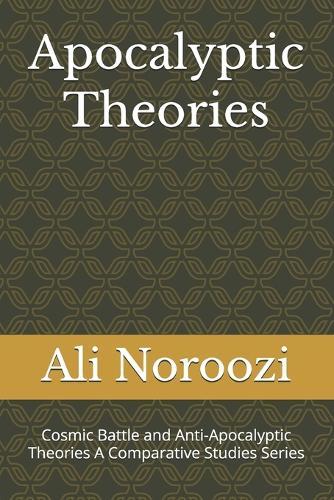
Overview
This collection examines eschatological theories, narratives of cosmic battle, and anti-apocalyptic perspectives through a comparative approach. Throughout various civilizations and centuries, humanity has envisioned the end of the world not merely as a catastrophe, but as a form of revelation of truth, justice, or renewal. From mythological battles between light and darkness to philosophical critiques that reject the expectation of a literal end of the world, these narratives are more than theological or cosmological constructs-they are reflections of human psychology and social order. By placing these perspectives alongside one another, this study does not assume that any single worldview possesses ultimate truth. Rather, it treats them as intellectual and cultural hypotheses-patterns through which societies interpret crisis, hope, and transformation. In examining both eschatological and anti-eschatological thought simultaneously, we discover that the ""end"" may relate less to destruction and more to our mode of interpreting reality. Throughout history, apocalyptic thinking has served multiple functions: as consolation for the oppressed, as a tool for social control by the powerful, as a framework for moral behavior, and as a psychological mechanism for processing collective trauma and uncertainty. Yet alongside this tradition of eschatological thought has emerged an equally powerful counter-tradition-one that rejects catastrophic thinking in favor of cyclical renewal, present-moment awareness, or rational skepticism. This comparative study explores how different civilizations, religions, and philosophical traditions have grappled with questions of endings and beginnings, destruction and renewal, time and eternity. We examine the common structural elements that appear across diverse eschatological systems while also highlighting the unique cultural contexts that shape each tradition's particular vision of cosmic drama. Furthermore, we investigate the psychological, sociological, and political dimensions that make apocalyptic thinking both persistently attractive and potentially dangerous. The book is structured to move from defining common patterns in eschatological thought, through detailed comparisons of specific religious and philosophical traditions, to an examination of the social forces that generate apocalyptic thinking, and finally to an exploration of anti-apocalyptic alternatives. This progression allows readers to understand not only what various traditions believe about the end times, but why such beliefs emerge, how they function in society, and whether alternative frameworks might serve humanity better. As we stand in the 21st century facing unprecedented global challenges-climate change, technological disruption, geopolitical instability-the question of how we conceptualize endings and new beginnings takes on renewed urgency. Do we need apocalyptic narratives to motivate moral action, or do such narratives paradoxically paralyze us by making present efforts seem insignificant compared to cosmic drama? Can we retain the ethical insights embedded in eschatological traditions while discarding their catastrophic frameworks? These questions animate this entire study.
Full Product Details
Author: Ali Noroozi
Publisher: Ali Noroozi - Edinburgh
Imprint: Ali Noroozi - Edinburgh
Dimensions:
Width: 15.20cm
, Height: 1.80cm
, Length: 22.90cm
Weight: 0.440kg
ISBN: 9781775247333
ISBN 10: 1775247333
Pages: 328
Publication Date: 18 February 2026
Audience:
General/trade
,
General
Format: Paperback
Publisher's Status: Active
Availability: Available To Order

We have confirmation that this item is in stock with the supplier. It will be ordered in for you and dispatched immediately.