Overview
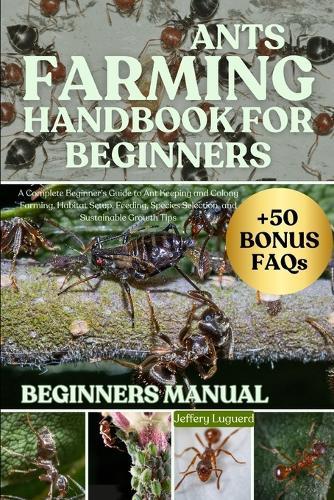
Ant keeping, also known as formicarium hobbyism or ant farming, is the practice of observing and maintaining live ant colonies in captivity for educational, recreational, or research purposes. Though less common than other types of pet keeping, ant farming has grown in popularity due to its unique blend of science, nature, and hands-on care. This introductory chapter explores why people keep ants, the benefits of ant farming, and the types of ant species most commonly kept by beginners and enthusiasts. 1. Why Keep Ants? Ants are some of the most fascinating and highly organized insects on Earth. Keeping ants provides insight into their complex societies, teamwork, and adaptability. People are drawn to ant keeping for several reasons: Educational Value: Ants demonstrate sophisticated behavior, including cooperation, communication, construction, and division of labor. This makes them ideal for learning about biology, ecology, and entomology. Low Space and Maintenance Requirements: Ant farms are compact and require minimal daily care compared to traditional pets. They don't need walking, grooming, or large living spaces. Cost-Effective Hobby: Most ant colonies can be started with simple materials like a test tube setup and basic foods. The long lifespan of queens and the ability to observe generations of ants without needing constant purchases adds to the value. Scientific Observation: Ants offer opportunities to witness natural phenomena like egg-laying, pupation, tunneling, and hunting in real time, making the hobby ideal for enthusiasts of natural sciences. Minimal Allergens or Odor: Ants are generally clean animals. With proper maintenance, they produce little to no odor and are unlikely to cause allergic reactions, making them suitable even for small homes or classrooms. 2. Benefits of Ant Farming as a Hobby or Educational Activity Ant farming offers a broad range of benefits that go beyond simply having an unusual pet. It nurtures curiosity, responsibility, and observational skills, making it suitable for individuals of all ages. A. Educational Applications Science Education: Teachers and parents use ant farms to teach students about insect anatomy, metamorphosis, food chains, ecosystems, and social behavior. Hands-on Learning: Observing live ants reinforces textbook knowledge through real-time examples. Environmental Awareness: Watching ants recycle food and build complex structures fosters respect for ecosystems and nature's balance. B. Hobby Benefits Stress Relief: Watching ants work methodically and cooperatively has a calming effect for many hobbyists. Creativity and Customization: Hobbyists can design and build their own formicariums, simulating natural environments and customizing them based on species needs. Community Engagement: There are active online and local communities of ant keepers who exchange advice, photos, and personal experiences, providing social interaction within the hobby. C. Skill Development Promotes patience, attention to detail, and responsibility. Encourages problem-solving skills as keepers learn to manage colony growth, address health issues, and improve environmental conditions. Increases scientific literacy and understanding of biological systems.
Full Product Details
Author: Jeffery Luguerd
Publisher: Independently Published
Imprint: Independently Published
Dimensions:
Width: 15.20cm
, Height: 0.70cm
, Length: 22.90cm
Weight: 0.177kg
ISBN: 9798293484782
Pages: 124
Publication Date: 22 July 2025
Audience:
General/trade
,
General
Format: Paperback
Publisher's Status: Active
Availability: Available To Order

We have confirmation that this item is in stock with the supplier. It will be ordered in for you and dispatched immediately.