Overview
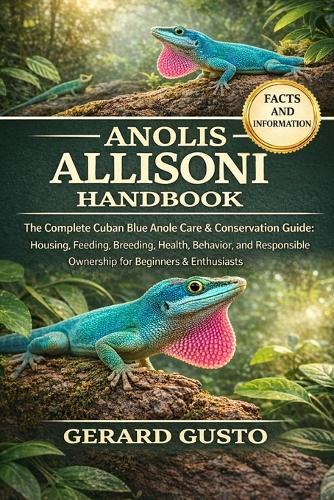
Introduction to Anolis Allisoni Origins of the Species The story of Anolis allisoni, commonly known as Allison's anole or the Cuban blue anole, begins in the lush tropical landscapes of the Caribbean. This striking reptile belongs to the diverse genus Anolis, a group of lizards renowned for their adaptability, ecological variety, and evolutionary significance. Native primarily to Cuba and its surrounding islets, Anolis allisoni also extends into parts of Honduras and Belize, inhabiting regions where warmth, humidity, and dense vegetation provide the perfect environment for survival. The origins of this species are tied to the evolutionary history of Caribbean anoles, which represent one of the most studied cases of adaptive radiation in the natural world. Over millions of years, Anolis species spread across islands, each developing distinct traits suited to their specific niches. In the case of Allison's anole, its adaptation to arboreal habitats and its brilliant coloration set it apart from its close relatives. Scientists consider Anolis allisoni not just a vibrant member of its genus but also a vital piece in understanding how species diversify and thrive within island ecosystems. The name Anolis allisoni honors Dr. Allison, a researcher recognized for early studies on anoles. By carrying this name, the species holds a historical connection to both scientific exploration and the tradition of acknowledging the dedication of naturalists who bring hidden creatures to the world's attention.Why This Lizard is Unique and FascinatingAmong all the anole species, Anolis allisoni is instantly recognizable for its dazzling colors and its role as a living symbol of tropical biodiversity. Males often display a brilliant turquoise to electric blue body with a vibrant pink to reddish dewlap, creating one of the most visually arresting combinations in the reptile kingdom. Females and juveniles are less flamboyant but still carry a charm, with green hues that provide camouflage among leaves and branches. This sharp sexual dimorphism highlights the species' balance between survival and reproductive display. What makes this lizard so captivating is not just its outward beauty but also its adaptability. Anolis allisoni thrives in both natural and human-altered environments. It can be spotted basking on tree trunks, darting across garden walls, and even climbing fences in urban areas. Its ability to coexist with humans while retaining its wild essence makes it a resilient representative of nature's ability to adapt. The species also fascinates scientists and nature enthusiasts for its ecological importance. As insectivores, Allison's anoles help regulate insect populations, acting as a natural pest control agent. At the same time, they serve as prey for birds, snakes, and larger lizards, playing a critical role in maintaining the balance of their ecosystems. In this way, Anolis allisoni embodies the interconnectedness of life within tropical habitats. Striking coloration: Blue males with vivid dewlaps stand out as one of nature's most beautiful displays. Adaptive behavior: Capable of thriving in forests, gardens, and even urban areas. Ecological importance: Serves as both predator and prey, maintaining balance in food webs. Scientific value: Offers insights into adaptive radiation and evolutionary biology.
Full Product Details
Author: Gerard Gusto
Publisher: Independently Published
Imprint: Independently Published
Dimensions:
Width: 15.20cm
, Height: 0.80cm
, Length: 22.90cm
Weight: 0.200kg
ISBN: 9798279042999
Pages: 144
Publication Date: 21 December 2025
Audience:
General/trade
,
General
Format: Paperback
Publisher's Status: Active
Availability: Available To Order

We have confirmation that this item is in stock with the supplier. It will be ordered in for you and dispatched immediately.