|
|
|||
|
||||
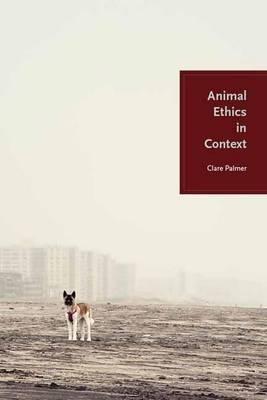
OverviewIt's widely agreed that because animals feel pain we should not make them suffer gratuitously. Some ethical theories go even further: because of the capacities animals possess, they have a right not to be harmed or killed. Such views concern what not to do to animals, but we also face the question of what we should do to assist the ones that may be hungry or distressed. And if we do, say, feed a starving kitten, does this commit us to feeding wild animals suffering through a hard winter? In this controversial book, Clare Palmer claims that, with respect to assisting animals, what's owed to one animal is not necessarily owed to all, even if they share similar capacities. Context and relation are crucial ethical factors. If animals live independently in the wild, their fate is none of our moral business, but if humans create dependent animals, or destroy animals' habitats, we may have special obligations to assist. Such arguments are familiar in human cases-parents have special obligations to their children, for example, or some groups owe reparations to others they have harmed. Palmer develops such relational concerns in the context of wild animals, domesticated animals, and urban scavengers, arguing that different contexts create very different moral relationships. Full Product DetailsAuthor: Lecturer in Ethics University of Greenwich Visiting Research Fellow in Philosophy Clare Palmer (University of Western Australia)Publisher: Columbia University Press Imprint: Columbia University Press ISBN: 9781282784482ISBN 10: 128278448 Pages: 203 Publication Date: 01 January 2010 Audience: General/trade , General Format: Electronic book text Publisher's Status: Active Availability: Available To Order We have confirmation that this item is in stock with the supplier. It will be ordered in for you and dispatched immediately. Table of ContentsReviewsAuthor InformationTab Content 6Author Website:Countries AvailableAll regions |
||||