Overview
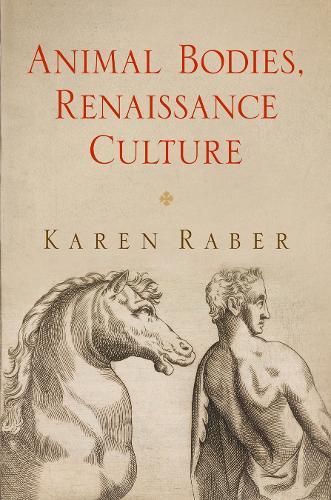
Animal Bodies, Renaissance Culture examines how the shared embodied existence of early modern human and nonhuman animals challenged the establishment of species distinctions. The material conditions of the early modern world brought humans and animals into complex interspecies relationships that have not been fully accounted for in critical readings of the period's philosophical, scientific, or literary representations of animals. Where such prior readings have focused on the role of reason in debates about human exceptionalism, this book turns instead to a series of cultural sites in which we find animal and human bodies sharing environments, mutually transforming and defining one another's lives. To uncover the animal body's role in anatomy, eroticism, architecture, labor, and consumption, Karen Raber analyzes canonical works including More's Utopia, Shakespeare's Hamlet and Romeo and Juliet, and Sidney's poetry, situating them among readings of human and equine anatomical texts, medical recipes, theories of architecture and urban design, husbandry manuals, and horsemanship treatises. Raber reconsiders interactions between environment, body, and consciousness that we find in early modern human-animal relations. Scholars of the Renaissance period recognized animals' fundamental role in fashioning what we call ""culture,"" she demonstrates, providing historical narratives about embodiment and the cultural constructions of species difference that are often overlooked in ecocritical and posthumanist theory that attempts to address the ""question of the animal.""
Full Product Details
Author: Karen Raber
Publisher: University of Pennsylvania Press
Imprint: University of Pennsylvania Press
Dimensions:
Width: 15.20cm
, Height: 2.80cm
, Length: 22.90cm
Weight: 0.558kg
ISBN: 9780812245363
ISBN 10: 0812245369
Pages: 248
Publication Date: 30 August 2013
Audience:
College/higher education
,
Postgraduate, Research & Scholarly
Format: Hardback
Publisher's Status: Active
Availability: In Print

This item will be ordered in for you from one of our suppliers. Upon receipt, we will promptly dispatch it out to you. For in store availability, please contact us.
Reviews
Materialist scholarship has been fascinated by bodies in recent decades, yet has neglected to consider embodiment exactly where it seems likely to be especially helpful: in the ecocritical study of our connections with other animals. Karen Raber resolves that paradox and solves many of the problems it reflects, in a highly readable study with vivid instances and large implications. -Robert N. Watson, University of California, Los Angeles
The study is full of fascinating material . . . all offered to buttress richer readings of early modern culture and its texts. . . . Remarkably well-written, and its erudition is in the service of crisp critical argument. -Studies in English Literature Materialist scholarship has been fascinated by bodies in recent decades, yet has neglected to consider embodiment exactly where it seems likely to be especially helpful: in the ecocritical study of our connections with other animals. Karen Raber resolves that paradox and solves many of the problems it reflects, in a highly readable study with vivid instances and large implications. -Robert N. Watson, University of California, Los Angeles
Author Information
Karen Raber is Professor of English at the University of Mississippi and author of Dramatic Difference: Gender, Class, and Genre in the Early Modern Closet Drama.