Overview
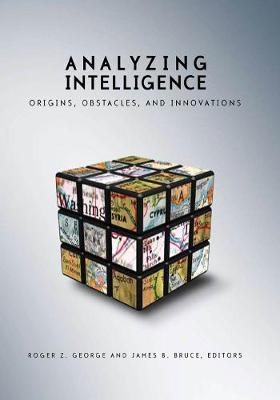
Drawing on the individual and collective experience of recognized intelligence experts and scholars in the field, ""Analyzing Intelligence"" provides the first comprehensive assessment of the state of intelligence analysis since 9/11. Its in-depth and balanced evaluation of more than fifty years of U.S. analysis includes a critique of why it has under-performed at times. It provides insights regarding the enduring obstacles as well as new challenges of analysis in the post-9/11 world, and suggests innovative ideas for improved analytical methods, training, and structured approaches. The book's six sections present a coherent plan for improving analysis. Early chapters examine how intelligence analysis has evolved since its origins in the mid-20th century, focusing on traditions, culture, successes, and failures.The middle sections examine how analysis supports the most senior national security and military policymakers and strategists, and how analysts must deal with the perennial challenges of collection, politicization, analytical bias, knowledge building and denial and deception. The final sections of the book propose new ways to address enduring issues in warning analysis, methodology (or 'analytical tradecraft') and emerging analytic issues like homeland defense. The book suggests new forms of analytic collaboration in a global intelligence environment, and imperatives for the development of a new profession of intelligence analysis. ""Analyzing Intelligence"" is written for the national security expert who needs to understand the role of intelligence and its strengths and weaknesses.Practicing and future analysts will also find that its attention to the enduring challenges provides useful lessons-learned to guide their own efforts. The innovations section will provoke senior intelligence managers to consider major changes in the way analysis is currently organized and conducted, and the way that analysts are trained and perform.
Full Product Details
Author: Roger Z. George ,
James B. Bruce ,
Roger Z. George ,
James B. Bruce
Publisher: Georgetown University Press
Imprint: Georgetown University Press
Dimensions:
Width: 17.80cm
, Height: 2.20cm
, Length: 25.40cm
Weight: 0.635kg
ISBN: 9781589012011
ISBN 10: 1589012011
Pages: 352
Publication Date: 09 April 2008
Audience:
Professional and scholarly
,
Professional & Vocational
Replaced By: 9781626160255
Format: Paperback
Publisher's Status: Out of Print
Availability: In Print

Limited stock is available. It will be ordered for you and shipped pending supplier's limited stock.
Reviews
This collection of essays is the most wide-ranging introduction to the vital craft of American intelligence analysis that has ever been published for the general audience of peers, scholars, and students. As editors, George and Bruce both exemplify and advance the professional standards they preach. Readers will find plenty of healthy self-criticism and recognition of problems. Yet readers may end up questioning some preconceptions of their own as they encounter essays that knock down some caricatures and corrosive myths that too often dominate contemporary discussion of intelligence issues. -- Philip Zelikow
A practical and wide-ranging study of intelligence analysis. The editors have done a superb job of seamlessly editing the work of a number of the world's recognized experts of intelligence gathering and analysis. Of special interest to readers should be those chapters related to the relationship between analysts and national-level security and policymakers. This book will be an invaluable resource for future analysts and those professionals currently involved in overcoming the enduring challenges associated with the role of intelligence in a free society. Parameters Analyzing Intelligence is the most comprehensive book on the subject to date -- a really valuable treatment for those anticipating becoming an intelligence analyst, as well as for those who already are. Studies in Intelligence Law and policy recognize that intelligence is the strategic pivot of the current fight [against terrorism], so readers of Proceedings who seek a deeper understanding of how we might wage war more effectively should put Analyzing Intelligence at the top of their reading list. Proceedings
Author Information
Roger Z. George is an adjunct professor at Georgetown University and is currently a senior analyst at the CIA's Global Futures Partnership. He is a career CIA intelligence analyst who has served at the Departments of State and Defense and has been the National Intelligence Officer for Europe. He has taught at the National War College and other private universities and is coeditor of Intelligence and the National Security Strategist: Enduring Issues and Challenges. James B. Bruce is an adjunct professor at Georgetown University and a senior political scientist at the RAND Corporation. He is a retired career CIA intelligence analyst who has served with the National Intelligence Council, within the Directorates of Intelligence and Operations, and has worked extensively with other intelligence community organizations. He has taught at the National War College and has authored numerous studies on intelligence and deception.