|
|
|||
|
||||
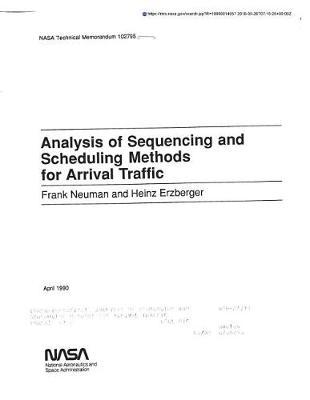
OverviewThe air traffic control subsystem that performs scheduling is discussed. The function of the scheduling algorithms is to plan automatically the most efficient landing order and to assign optimally spaced landing times to all arrivals. Several important scheduling algorithms are described and the statistical performance of the scheduling algorithms is examined. Scheduling brings order to an arrival sequence for aircraft. First-come-first-served scheduling (FCFS) establishes a fair order, based on estimated times of arrival, and determines proper separations. Because of the randomness of the traffic, gaps will remain in the scheduled sequence of aircraft. These gaps are filled, or partially filled, by time-advancing the leading aircraft after a gap while still preserving the FCFS order. Tightly scheduled groups of aircraft remain with a mix of heavy and large aircraft. Separation requirements differ for different types of aircraft trailing each other. Advantage is taken of this fact through mild reordering of the traffic, thus shortening the groups and reducing average delays. Actual delays for different samples with the same statistical parameters vary widely, especially for heavy traffic. Neuman, Frank and Erzberger, Heinz Ames Research Center... Full Product DetailsAuthor: National Aeronaut Administration (Nasa)Publisher: Createspace Independent Publishing Platform Imprint: Createspace Independent Publishing Platform Dimensions: Width: 21.60cm , Height: 0.30cm , Length: 27.90cm Weight: 0.145kg ISBN: 9781722235758ISBN 10: 1722235756 Pages: 52 Publication Date: 06 July 2018 Audience: General/trade , General Format: Paperback Publisher's Status: Active Availability: Available To Order We have confirmation that this item is in stock with the supplier. It will be ordered in for you and dispatched immediately. Table of ContentsReviewsAuthor InformationTab Content 6Author Website:Countries AvailableAll regions |
||||