|
|
|||
|
||||
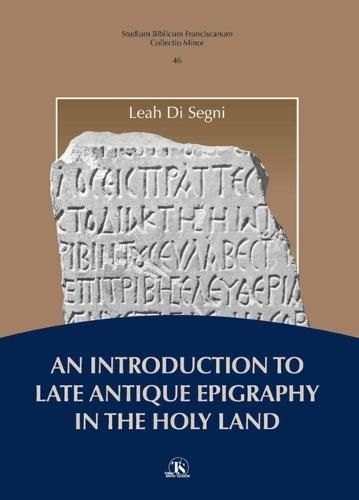
OverviewThe ethnic pluralism of the Holy Land is unparalleled elsewhere. Whatever period of history, or even of prehistory, one chooses to consider, the land, due to its geographical position, was always home to diverse ethne and cultures and a capturer of influences from nearby and faraway countries. The same pluralism accounts for an unparalleled coexistence of languages and scripts. Greek and Latin, Hebrew, Jewish, Christian and Samaritan Aramaic, each with its own script, pre-Islamic Arabic in Nabataean and Old Arabic scripts, the occasional Syriac, Palmyrene, Armenian and Georgian inscriptions, Safaitic and Thamudic graffiti in the eastern and southern fringes: all are attested in late antique Holy Land, sometimes influencing one another in vocabulary and formulas. Still, Greek is the prevailing vehicle of written communication from its first appearance in the region in the fourth century BCE to the end of Late Antiquity in the late eighth or early ninth century, and it will draw most of the attention in these pages. Full Product DetailsAuthor: Leah Di SegniPublisher: Edizioni Terra Santa Imprint: Edizioni Terra Santa Dimensions: Width: 16.80cm , Height: 1.60cm , Length: 23.80cm Weight: 0.458kg ISBN: 9791254711170Pages: 254 Publication Date: 31 December 2022 Audience: General/trade , General Format: Paperback Publisher's Status: Active Availability: Available To Order We have confirmation that this item is in stock with the supplier. It will be ordered in for you and dispatched immediately. Table of ContentsReviewsAuthor InformationTab Content 6Author Website:Countries AvailableAll regions |
||||