|
|
|||
|
||||
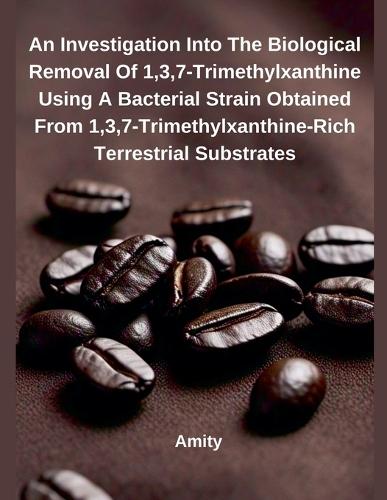
OverviewCoffee, tea and other caffeine -containing beverages are consumed all over the world. Currently, consumer intake of coffee stands at 141.6 million bags of beans; but by 2020, coffee demand is slated to rise to 175.8 million bags (each weighs approximately 132 lb.). The demand for the beverage will increase by nearly 25% over the coming five years, according to the International Coffee Organization (ICO).India is one of the leading exporters of coffee to Worldwide. The well known ill effects of large doses of caffeine consumption viz., toxic and addictive effects lead to the need of decaffeination. The market for decaffeinated products is increasing 15-18% per annum. The invention of decaffeination by solvent extraction dates back to 1905, water extraction from 1941 and CO2 extraction from 1962 onwards; It is clearly seen that the conventional technology of caffeine extraction are operationally applied by half a century by now. The major challenge is to develop a new technology that does not alter the flavor of coffee, economical and environmentally safe. Decaffeination by microbes (biodecaffeination) is considered to be the best alternative to the conventional coffee extraction techniques being environmentally safe and economical. Full Product DetailsAuthor: AmityPublisher: Independent Publisher Imprint: Independent Publisher Dimensions: Width: 21.60cm , Height: 1.10cm , Length: 27.90cm Weight: 0.490kg ISBN: 9798230688624Pages: 206 Publication Date: 18 March 2025 Audience: General/trade , General Format: Paperback Publisher's Status: Active Availability: In Print This item will be ordered in for you from one of our suppliers. Upon receipt, we will promptly dispatch it out to you. For in store availability, please contact us. Table of ContentsReviewsAuthor InformationTab Content 6Author Website:Countries AvailableAll regions |
||||