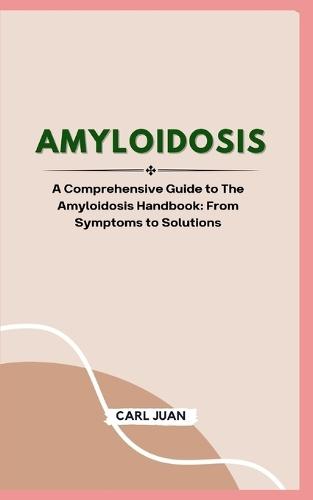
Amyloidosis: A Comprehensive Guide to The Amyloidosis Handbook: From Symptoms to Solutions

Author:   Carl Juan
Publisher:   Independently Published
ISBN:  

9798876695932


Pages:   118
Publication Date:   19 January 2024
Format:   Paperback
Availability:   In Print   Availability explained
This item will be ordered in for you from one of our suppliers. Upon receipt, we will promptly dispatch it out to you. For in store availability, please contact us.

Our Price $26.11 Quantity:  
Add to Cart

Share |

Amyloidosis: A Comprehensive Guide to The Amyloidosis Handbook: From Symptoms to Solutions


Overview

Rare and complicated, amyloidosis is defined by the buildup of amyloid proteins in cells, tissues, and organs. In amyloidosis, usually soluble amyloid proteins misfold and clump to produce insoluble fibrils that can accumulate in different areas of the body. This accumulation of amyloid fibrils can alter normal tissue structure and function, resulting to a wide range of symptoms and potentially causing organ damage. - Different forms of amyloidosis are linked to the accumulation of different proteins. Amyloidosis comes in a variety of forms, including: - Primary amyloidosis (also known as AL amyloidosis) is characterized by the buildup of aberrant immunoglobulin light chains (amyloidogenic light chains) and is frequently linked to diseases of the plasma cells, such as multiple myeloma. - The amyloid A protein, an acute-phase reactant created in response to persistent inflammation or infection, has been related to the development of this form of secondary amyloidosis. - Amyloidosis of transthyretin (ATTR) occurs when transthyretin (TTR) protein misfolds and accumulates in the body. ATTR amyloidosis can be either inherited (familial) or acquired (wild-type). - Amyloid-beta (A) amyloidosis is most commonly linked to Alzheimer's disease due to the accumulation of amyloid-beta (A) protein in the brain. - Individuals with ESRD who have been on dialysis for an extended period of time can develop amyloidosis. The protein beta-2 macroglobulin tends to build up in this condition. Depending on the nature and location of the amyloid deposits, the specific symptoms and organ involvement in amyloidosis can vary. Common symptoms may include weariness, weight loss, edema (swelling), organ malfunction, and neuropathy (nerve damage). Management techniques for amyloidosis may include chemotherapy, organ transplantation, or drugs that target the underlying illness processes, and diagnosis is often a team effort. As a group of disorders, amyloidosis spans a wide spectrum of conditions, each of which requires a unique approach to diagnosis, treatment, and care.

Full Product Details

Author:   Carl Juan
Publisher:   Independently Published
Imprint:   Independently Published
Dimensions:   Width: 12.70cm , Height: 0.60cm , Length: 20.30cm
Weight:   0.122kg
ISBN:  

9798876695932


Pages:   118
Publication Date:   19 January 2024
Audience:   General/trade ,  General
Format:   Paperback
Publisher's Status:   Active
Availability:   In Print   Availability explained
This item will be ordered in for you from one of our suppliers. Upon receipt, we will promptly dispatch it out to you. For in store availability, please contact us.

Table of Contents

Reviews

Author Information

Tab Content 6

Author Website:  

Countries Available

All regions
Latest Reading Guide

MRGC26


Shopping Cart
Your cart is empty
Shopping cart
Mailing List