Overview
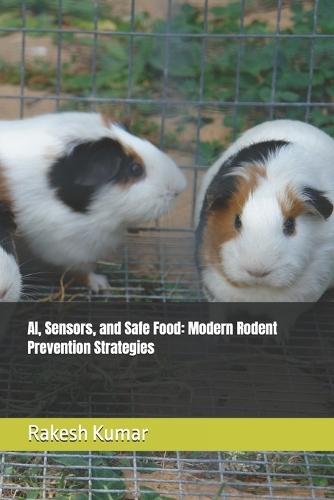
Food is one of humanity's most fundamental needs, yet it remains constantly vulnerable to one of the oldest and most persistent threats: rodents. From household kitchens and neighborhood markets to massive warehouses, food processing plants, and city-wide distribution systems, rodents silently compromise food safety every day. They contaminate food through droppings, urine, hair, and gnawing, damage packaging and infrastructure, and act as carriers of serious diseases that threaten human health. Despite decades of pest control efforts, rodents continue to thrive alongside human food systems, adapting quickly to traditional control methods and urban environments. This challenge is no longer just a hygiene issue-it is an economic, public health, and food security concern. Food losses caused by rodents cost billions globally each year, while contamination incidents erode consumer trust and strain regulatory systems. Traditional approaches such as traps, poisons, and periodic inspections are often reactive, labor-intensive, and insufficient in today's complex food ecosystems. In many cases, chemical rodenticides introduce new risks, including food contamination, environmental harm, and ethical concerns. At the same time, we are living in an era of rapid technological transformation. Artificial Intelligence (AI), sensors, the Internet of Things (IoT), robotics, and data analytics are reshaping how we monitor, predict, and manage risks across industries. These technologies offer a powerful opportunity to rethink rodent prevention-not as an afterthought, but as an intelligent, proactive, and integrated part of modern food safety systems. This book, AI, Sensors, and Safe Food: Modern Rodent Prevention Strategies, explores how emerging technologies can be used to detect rodent activity early, prevent contamination, and protect food across the entire supply chain. From smart homes and automated kitchens to food factories, warehouses, urban markets, and smart cities, the book presents practical frameworks, real-world case studies, and technical insights into building rodent-resistant food environments. It also addresses critical topics such as humane and eco-friendly control, regulatory compliance, data security, and public awareness. Ultimately, this book envisions a future where food safety is continuous, intelligent, and resilient-where rodent threats are anticipated before they become crises, and where technology, policy, and human responsibility work together to safeguard the food that sustains us all.
Full Product Details
Author: Rakesh Kumar
Publisher: Independently Published
Imprint: Independently Published
Dimensions:
Width: 15.20cm
, Height: 2.40cm
, Length: 22.90cm
Weight: 0.626kg
ISBN: 9798246487662
Pages: 474
Publication Date: 01 February 2026
Audience:
General/trade
,
General
Format: Paperback
Publisher's Status: Active
Availability: Available To Order

We have confirmation that this item is in stock with the supplier. It will be ordered in for you and dispatched immediately.