|
|
|||
|
||||
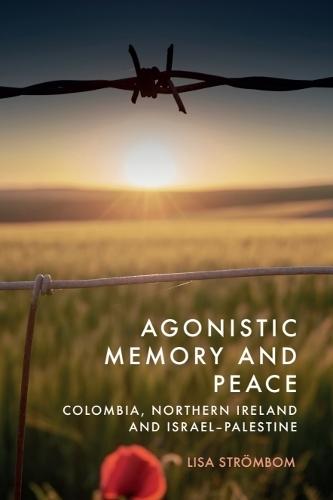
OverviewThis is a book about the power of memory in fractured societies and initiatives that resist pressures to simplify history. It traces the intricate pathways of local dialogue initiatives in three of the world's most emotionally charged conflicts: Colombia, Israel-Palestine, and Northern Ireland. There, the past is always contested terrain-it is present, alive and deeply political. The book draws on agonistic peace theory, which proposes continued contestation, discussion and disagreement - in non-violent, constructive forms - as the most productive way to transform violent conflicts. Focusing on how local organisations can work to facilitate dialogue about conflict memory, the analyses rely on interview-based case studies where organisations working on bringing people together to juxtapose their memories of these conflicts are probed. The results underline that safeguarding dialogue spaces, stimulating counter-hegemonic forces and the circulation of memory between memoryscapes at different scales are crucial enabling factors for successful agonistic memory work. Full Product DetailsAuthor: Lisa Strömbom (Lund University)Publisher: Edinburgh University Press Imprint: Edinburgh University Press ISBN: 9781399545785ISBN 10: 1399545787 Pages: 192 Publication Date: 31 March 2026 Audience: College/higher education , Postgraduate, Research & Scholarly Format: Hardback Publisher's Status: Active Availability: Not yet available This item is yet to be released. You can pre-order this item and we will dispatch it to you upon its release. Table of Contents1. Introduction 2. Agonistic Memory Work 3. Memory Work in Post-accord Colombia 4. Memory Work Following the Oslo Accords 5. Memory Work after the Belfast Agreement 6. Agonistic Memory Work Post-Accord: Circulation, Counter-Hegemony and Safeguarding Agonistic Spaces 7. Concluding Reflections References AppendixReviewsWhat is remembered from the past, and how, matters for peace. This richly researched book, drawing on original interview material with grassroots memory actors, probes the spaces for agonistic memory work in the compelling post-accord contexts of Colombia, Northern Ireland and Israel-Palestine. Unmissable for memory scholars and political theorists alike. -- Maria Mälksoo, University of Copenhagen Author InformationLisa Strömbom is Associate Professor in Political Science at Lund University, where she is a former Director of Peace and Conflict Studies. Tab Content 6Author Website:Countries AvailableAll regions |
||||