|
|
|||
|
||||
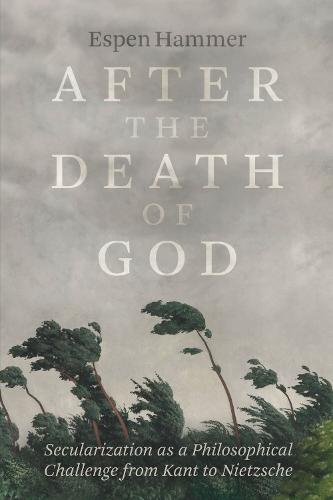
OverviewA fresh history of nineteenth-century philosophy's many ideas about secularization. The secularization thesis, which held that religious belief would gradually yield to rationality, has been thoroughly debunked. What, then, can we learn from philosophers for whom the death of God seemed so imminent? In this book, Espen Hammer offers a sweeping analysis of secularization in nineteenth-century German philosophy, arguing that the persistence of religion (rather than its absence) animated this tradition. Hammer shows that Kant, Hegel, Feuerbach, Marx, and Nietzsche, each in their own way, sought to preserve and transform religion's ethical and communal aspirations for modern life. A renewed appreciation for this tradition's generous thought, Hammer argues, can help us chart a path through needlessly destructive conflicts between secularists and fundamentalists today. Full Product DetailsAuthor: Espen HammerPublisher: The University of Chicago Press Imprint: University of Chicago Press Dimensions: Width: 15.20cm , Height: 2.30cm , Length: 22.90cm Weight: 0.399kg ISBN: 9780226838496ISBN 10: 0226838498 Pages: 232 Publication Date: 22 March 2025 Audience: Professional and scholarly , Professional & Vocational Format: Hardback Publisher's Status: Active Availability: Manufactured on demand We will order this item for you from a manufactured on demand supplier. Table of ContentsPreface Introductory Remarks Chapter One Secularization and Modernity Chapter Two The Kantian Compromise Chapter Three Hegel’s Rescue Mission Chapter Four A Social Critique of Religion: Feuerbach and Marx Chapter Five Nietzsche and the Overcoming of Christianity Concluding Remarks Bibliography IndexReviews“In this elegant and compelling book, Hammer guides readers through a new reading of philosophical history: from Kant forward, he argues, the modern philosophical canon has directed its attention to religion with a twofold gesture of critique and rescue. Through exceptionally illuminating close readings, Hammer helps us to see in this framework a truly insightful and graceful new answer to an important question: What remains to religion after what Nietzsche called the death of God?” -- Peter E. Gordon, Harvard University “Hammer offers a revelatory treatment of the theme of secularization in the post-Kantian period. In the narrative Hammer presents, religious impulses are not simply discarded with the onset of secularization but are instead transformed and preserved. Specialists and nonspecialists alike will benefit from engaging with his account.” -- Andrew Huddleston, University of Warwick Author InformationEspen Hammer is professor of philosophy at Temple University. He has published numerous books, including Adorno’s Modernism: Art, Experience, and Catastrophe. Tab Content 6Author Website:Countries AvailableAll regions |
||||