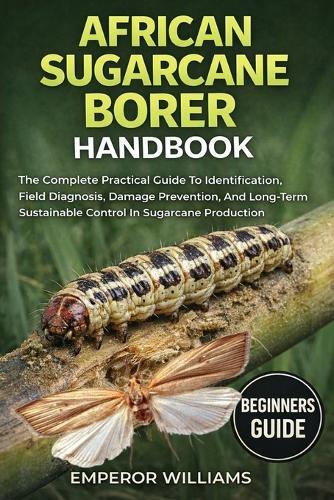
Overview
Introduction to the African Sugarcane Borer Species identity Across many sugarcane-growing regions of Africa, there is a small group of insects that farmers learn to recognize not because they are flashy or obvious, but because the damage they cause can quietly build until it shows up as poor growth, weak stalks, and disappointing harvests. The African sugarcane borer is one of the most important of these pests. When people talk about ""borers"" in sugarcane, they are usually describing caterpillars that spend much of their feeding life hidden inside plant stems. That hidden lifestyle is what makes them particularly challenging: by the time the problem is easy to see from the outside, the larva has already been protected inside the stalk for days or weeks, feeding and tunneling where many control methods struggle to reach. It helps to begin with a clear understanding of what ""African sugarcane borer"" means in real-world terms. In everyday farm language, it often refers to a major stalk-boring caterpillar pest that attacks sugarcane and sometimes other grasses. In technical agricultural and entomological work, the name can be used in a more specific way, referring to particular moth species that are known to bore into sugarcane in African environments. This matters because ""sugarcane borer"" is not a single insect worldwide. Sugarcane in different regions faces different borer species, and each species can have its own life cycle timing, preferred habitats, and response to management methods. When farmers and extension workers correctly identify which borer they are dealing with, they gain a clearer path to decisions that actually work on that pest rather than on a different borer elsewhere in the world. In practice, people often first notice the African sugarcane borer through its signs rather than by seeing the insect itself. The earliest clues can be subtle: young plants that look stunted, central leaves that wilt or die back, or stalks that seem less vigorous even when the field has adequate water and nutrients. As the crop develops, damaged stalks may show ""dead hearts"" in younger cane, or in older cane, reduced internode growth, weakened stems that snap more easily, and entry holes that can be hard to spot unless the stalk is inspected closely. If the stalk is split open, tunnels and frass (insect waste) may be visible inside. That is often the moment when the pest stops being an abstract threat and becomes something real and urgent. The insect's identity is closely tied to its lifestyle. It is a moth in its adult form, but the stage that causes most of the economic damage is the larva, a caterpillar adapted to boring into plant tissues. Like many moth larvae, it begins life feeding on the outside of the plant or near tender tissue, then quickly transitions into the safer interior of the stalk. Inside the cane, it is sheltered from rain, predators, and many contact insecticides. This protected feeding habit is the main reason borers can become major pests in sugarcane production, especially in environments where weather patterns favor multiple generations or where management is inconsistent. Understanding species identity is not just an academic exercise. It shapes the questions that matter on the ground. When does the adult moth fly and lay eggs? Where on the plant are the eggs placed? Which stage is most vulnerable to control? How far can adults travel, and what does that mean for area-wide management? The African sugarcane borer's identity as a stalk borer answers these questions in broad strokes: it is a pest that can be present even when you do not see it, it can build up within a field over time, and it often requires an approach that combines monitoring, prevention, and well-timed interventions.
Full Product Details
Author: Emperor Williams
Publisher: Independently Published
Imprint: Independently Published
Dimensions:
Width: 15.20cm
, Height: 1.40cm
, Length: 22.90cm
Weight: 0.358kg
ISBN: 9798259313088
Pages: 264
Publication Date: 29 April 2026
Audience:
General/trade
,
General
Format: Paperback
Publisher's Status: Active
Availability: Available To Order

We have confirmation that this item is in stock with the supplier. It will be ordered in for you and dispatched immediately.