Overview
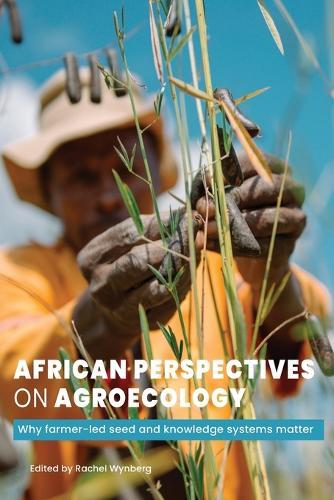
Seed embodies life, power, and culture. From Africa’s deserts and drylands to its mighty river systems and tropical forests, from those growing a multiplicity of grains, legumes, and vegetables, to others struggling to produce enough to feed their families, seed provides the mainstay for the continent’s 500 million small-scale farmers and is at the heart of rich and varied cultures. But seed is under siege. With the world’s food and agricultural systems increasingly industrialized, homogenized, and privatized, seed epitomizes the struggles involved is symbolic of the deep injustices that have emerged. These include everything from the policies that benefit commercial farmers and seed and agro-chemical companies – at severe cost to the environment, climate, and small-scale farmers – to the new wave of philanthropy, promoting Green Revolution approaches of genetic modification and quick-fix nutritionism as a remedy for the poor, despite their failure elsewhere in the world. Africa’s seemingly ‘unproductive’ lands are now viewed as the last frontier for agribusiness. Yet there is little documented about the resilience of local seed systems, and the innovative approaches adopted by small-scale farmers to retain agrobiodiversity, and to pursue agroecological approaches to farming that not only produce sufficient food but also eliminate harmful inputs. Western, scientific, and traditional knowledges are beginning to mingle in transformative ways, and inspiring pioneers in the formal structures of government and research institutions are demonstrating that another way is possible. Social movements, long silent in Africa, are emerging as a powerful force for change, alongside the NGOs who provide support to farmers at different levels. Uniquely, this book offers a contribution that is enriched by the collaborative, creative, and critical voices of African farmers, activists, scientists, scholars, and policymakers. Their viewpoints combine in this volume to articulate a shared and dynamic vision of a world where agriculture is productive, diverse, and sustainable; where different ways of seeing and knowing are respected; and where seed and food systems are in the hands of farmers and local communities.
Full Product Details
Author: Rachel Wynberg
Publisher: Practical Action Publishing
Imprint: Practical Action Publishing
Dimensions:
Width: 15.60cm
, Height: 2.20cm
, Length: 23.40cm
Weight: 0.400kg
ISBN: 9781788530224
ISBN 10: 1788530225
Pages: 398
Publication Date: 31 January 2024
Audience:
Professional and scholarly
,
Professional & Vocational
Format: Paperback
Publisher's Status: Active
Availability: Available To Order

We have confirmation that this item is in stock with the supplier. It will be ordered in for you and dispatched immediately.