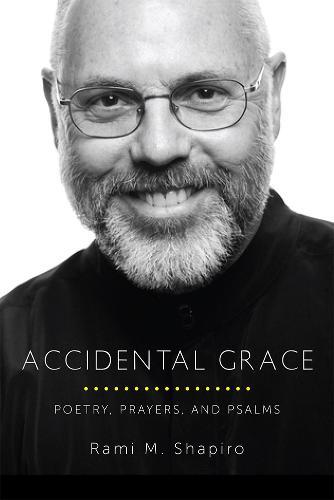
Full Product Details
Author: Rabbi Rami Shapiro
Publisher: Paraclete Press
Imprint: Paraclete Press
Dimensions:
Width: 14.00cm
, Height: 1.80cm
, Length: 21.00cm
Weight: 0.170kg
ISBN: 9781612616551
ISBN 10: 1612616550
Pages: 176
Publication Date: 01 September 2015
Audience:
General/trade
,
General
Format: Paperback
Publisher's Status: Active
Availability: Available To Order

We have confirmation that this item is in stock with the supplier. It will be ordered in for you and dispatched immediately.
Reviews
How does one speak to a timeless God in contemporary time-centered language? How relate to ancient sacred texts containing language and concepts significantly different, and perhaps alien to the modern mindset? This is the starting point for Rami Shapiro s new book. Shapiro is a gifted 20th/21st century poet whose love of ideas and language pervades his writings. He is also a rabbi who actively wrestles with the complex relationship between God and humans (and even more so that relationship between God and Jews and the Jewish people.) This book divides into three sections: Psalms, Poems, and then a short Parable at the conclusion. The psalm section rewrites several of the psalter s collection including Psalms 23 and 90. Shapiro expresses much of the essence of the original psalm, yet God is more accessible, less the object of a near-powerless supplicant to an all-powerful deity. The prayers section is patterned on the traditional order of a Jewish prayer service. Yet Shapiro adds his personal touch, universalizing their message. Rabbi David J. Zucker, PhD, BCC. (Ret.) North West Surrey Synagogue, Weybridge, Surrey, United Kingdom
Inspired and inspiring, thoughtful and thought-provoking, Accidental Grace: Poetry, Prayers, and Psalms is an absorbing and rewarding read from first page to last. An impressive anthology of the thought and poetry of Rabbi Shapiro, Accidental Grace is very highly recommended for anyone seeking spiritual guidance amidst the vicissitudes of daily life in these contemporary times. -Midwest Book Review The soul of the Zen Rabbi poet soars. Rami's creative fidelity to the Source is expressed in ways which infuse joy and enlightenment into the reader's experiences of life. Find your essential self in this Accidental Grace. -Sr. Rosemarie Greco, DW, Wisdom House Conference Center, Litchfield, CT Rami Shapiro just kills me. First he kills me with laughter, and then he kills me with tears. He kills my fearful, separate, small 's' self with his humor and honesty and humility. Then he invites me into a larger belonging in the big 'S' Self of all-embracing Love. -Gordon Peerman, author of Blessed Relief: What Christians Can Learn from Buddhists about Suffering Rami Shapiro is one of the best Jewish spiritual writers. Lush. Profound. -Lawrence Kushner, Emanu-El Scholar at Congregation Emanu-El of San Francisco and author of Kabbalah: A Love Story When I read these poems, my heart flutters, seeing the footprints that my Beloved has left for me to follow. -Krishna Das, Hindu Kirtan composer How does one speak to a timeless God in contemporary time-centered language? How does one relate to ancient sacred texts containing language and concepts significantly different, and perhaps alien to the modern mindset? This is the starting point for Rami Shapiro's new book. Shapiro is a gifted 20th/21st century poet whose love of ideas and language pervades his writings. He is also a rabbi who actively wrestles with the complex relationship between God and humans (and even more so that relationship between God and Jews and the Jewish people.) This book divides into three sections: Psalms, Poems and then a short Parable at the conclusion. The psalm section rewrites several of the psalter's collection, including Psalms 23 and 90. Shapiro expresses much of the essence of the original psalm, yet God is more accessible, less the object of a near-powerless supplicant to an all-powerful deity. The prayers section is patterned on the traditional order of a Jewish prayer service. Yet Shapiro adds his personal touch, universalizing their message. He adds several poems addressing the Holocaust. In one, 'To the Right, to the Left' Shapiro deftly echoes a prominent prayer from the Jewish High Holy Day liturgy, a supplication which suggests that during that time one's life (or death) is set for the year ahead. His juxtaposition of these items makes the poem both disturbing and challenging. In the Introduction to his work, Shapiro explains that he reads 'traditional [Jewish] texts and becomes furious over how close they come to the truth without ever actually articulating it' (xi). He then takes those words, shreds them, and tosses 'the bits into the air and grabs at those [he] can grasp' and 'ties them into sentences' and offers them back to us as his powerful psalms and poetry (xii). Shapiro terms himself as a 'Zen Rabbi,' and offers an explanation for that description. I still do not understand what a Zen Rabbi is, but I do know this is sacred and special writing. -Rabbi David J. Zucker PhD BCC (retired), North West Surrey Synagogue, Weybridge, Surrey, United Kingdom
How does one speak to a timeless God in contemporary time-centered language? How does one relate to ancient sacred texts containing language and concepts significantly different, and perhaps alien to the modern mindset? This is the starting point for Rami Shapiro s new book. Shapiro is a gifted 20th/21st century poet whose love of ideas and language pervades his writings. He is also a rabbi who actively wrestles with the complex relationship between God and humans (and even more so that relationship between God and Jews and the Jewish people.) This book divides into three sections: Psalms, Poems and then a short Parable at the conclusion. The psalm section rewrites several of the psalter s collection, including Psalms 23 and 90. Shapiro expresses much of the essence of the original psalm, yet God is more accessible, less the object of a near-powerless supplicant to an all-powerful deity. The prayers section is patterned on the traditional order of a Jewish prayer service. Yet Shapiro adds his personal touch, universalizing their message. He adds several poems addressing the Holocaust. In one, To the Right, to the Left Shapiro deftly echoes a prominent prayer from the Jewish High Holy Day liturgy, a supplication which suggests that during that time one s life (or death) is set for the year ahead. His juxtaposition of these items makes the poem both disturbing and challenging. In the Introduction to his work, Shapiro explains that he reads traditional [Jewish] texts and becomes furious over how close they come to the truth without ever actually articulating it (xi). He then takes those words, shreds them, and tosses the bits into the air and grabs at those [he] can grasp and ties them into sentences and offers them back to us as his powerful psalms and poetry (xii). Shapiro terms himself as a Zen Rabbi, and offers an explanation for that description. I still do not understand what a Zen Rabbi is, but I do know this is sacred and special writing. Rabbi David J. Zucker PhD BCC (retired), North West Surrey Synagogue, Weybridge, Surrey, United Kingdom
Inspired and inspiring, thoughtful and thought-provoking, Accidental Grace: Poetry, Prayers, and Psalms is an absorbing and rewarding read from first page to last. An impressive anthology of the thought and poetry of Rabbi Shapiro, Accidental Grace is very highly recommended for anyone seeking spiritual guidance amidst the vicissitudes of daily life in these contemporary times. Highly recommended for inclusion into community and academic library Contemporary Poetry collections, it should be noted for personal reading lists that Accidental Grace is also available in a Kindle edition ($14.95). Margaret Lane, Midwest Book Review, January 2016
How does one speak to a timeless God in contemporary time-centered language? How relate to ancient sacred texts containing language and concepts significantly different, and perhaps alien to the modern mindset? This is the starting point for Rami Shapiro's new book. Shapiro is a gifted 20th/21st century poet whose love of ideas and language pervades his writings. He is also a rabbi who actively wrestles with the complex relationship between God and humans (and even more so that relationship between God and Jews and the Jewish people.) This book divides into three sections: Psalms, Poems, and then a short Parable at the conclusion. The psalm section rewrites several of the psalter's collection including Psalms 23 and 90. Shapiro expresses much of the essence of the original psalm, yet God is more accessible, less the object of a near-powerless supplicant to an all-powerful deity. The prayers section is patterned on the traditional order of a Jewish prayer service. Yet Shapiro adds his personal touch, universalizing their message.--Rabbi David J. Zucker, PhD, BCC. (Ret.) North West Surrey Synagogue, Weybridge, Surrey, United Kingdom How does one speak to a timeless God in contemporary time-centered language? How does one relate to ancient sacred texts containing language and concepts significantly different, and perhaps alien to the modern mindset? This is the starting point for Rami Shapiro's new book. Shapiro is a gifted 20th/21st century poet whose love of ideas and language pervades his writings. He is also a rabbi who actively wrestles with the complex relationship between God and humans (and even more so that relationship between God and Jews and the Jewish people.) This book divides into three sections: Psalms, Poems and then a short Parable at the conclusion. The psalm section rewrites several of the psalter's collection, including Psalms 23 and 90. Shapiro expresses much of the essence of the original psalm, yet God is more accessible, less the object of a near-powerless supplicant to an all-powerful deity. The prayers section is patterned on the traditional order of a Jewish prayer service. Yet Shapiro adds his personal touch, universalizing their message. He adds several poems addressing the Holocaust. In one, To the Right, to the Left Shapiro deftly echoes a prominent prayer from the Jewish High Holy Day liturgy, a supplication which suggests that during that time one's life (or death) is set for the year ahead. His juxtaposition of these items makes the poem both disturbing and challenging. In the Introduction to his work, Shapiro explains that he reads traditional [Jewish] texts and becomes furious over how close they come to the truth without ever actually articulating it (xi). He then takes those words, shreds them, and tosses the bits into the air and grabs at those [he] can grasp and ties them into sentences and offers them back to us as his powerful psalms and poetry (xii). Shapiro terms himself as a Zen Rabbi, and offers an explanation for that description. I still do not understand what a Zen Rabbi is, but I do know this is sacred and special writing.--Rabbi David J. Zucker PhD BCC (retired), North West Surrey Synagogue, Weybridge, Surrey, United Kingdom Inspired and inspiring, thoughtful and thought-provoking, Accidental Grace: Poetry, Prayers, and Psalms is an absorbing and rewarding read from first page to last. An impressive anthology of the thought and poetry of Rabbi Shapiro, Accidental Grace is very highly recommended for anyone seeking spiritual guidance amidst the vicissitudes of daily life in these contemporary times. Highly recommended for inclusion into community and academic library Contemporary Poetry collections, it should be noted for personal reading lists that Accidental Grace is also available in a Kindle edition ($14.95).--Margaret Lane, Midwest Book Review, January 2016 How does one speak to a timeless God in contemporary time-centered language? How relate to ancient sacred texts containing language and concepts significantly different, and perhaps alien to the modern mindset? This is the starting point for Rami Shapiro s new book. Shapiro is a gifted 20th/21st century poet whose love of ideas and language pervades his writings. He is also a rabbi who actively wrestles with the complex relationship between God and humans (and even more so that relationship between God and Jews and the Jewish people.) This book divides into three sections: Psalms, Poems, and then a short Parable at the conclusion. The psalm section rewrites several of the psalter s collection including Psalms 23 and 90. Shapiro expresses much of the essence of the original psalm, yet God is more accessible, less the object of a near-powerless supplicant to an all-powerful deity. The prayers section is patterned on the traditional order of a Jewish prayer service. Yet Shapiro adds his personal touch, universalizing their message. Rabbi David J. Zucker, PhD, BCC. (Ret.) North West Surrey Synagogue, Weybridge, Surrey, United Kingdom
Author Information
Rami Shapiro is one of the most innovative rabbis of the last thirty years. An award-winning author of two dozen books on religion and spirituality, he received rabbinical ordination from the Hebrew Union College-Jewish Institute of Religion and holds a PhD from Union Graduate School. A congregational rabbi for twenty years, for the last fifteen he has been writing, leading retreats, co-directing One River Wisdom School, blogging at rabbirami.com, and writing a regular column for Spirituality and Health magazine called ""Roadside Assistance for the Spiritual Traveler.""