|
|
|||
|
||||
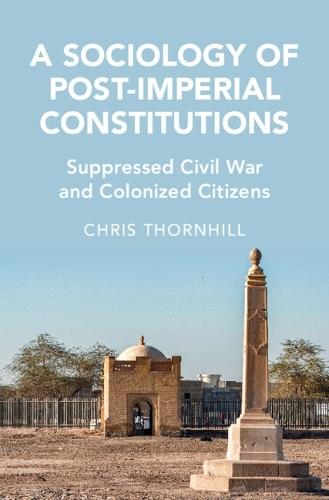
OverviewCovering the period from the eighteenth century to the present, A Sociology of Post-Imperial Constitutions combines global history and historical legal sociology to explain how democratic constitutions were created by imperialism and military policies related to imperialism. It challenges common views about the relation between democracy and peace, examining how, in different locations and different periods, the constitutional ordering of citizenship both reflected and perpetuated warfare. It also isolates the features of constitutional systems that have been successful in obviating military violence, separating democracy from its military origins. It discusses how the emergence of democratic government after 1945 depended on a dialectical transformation of the war/law nexus in constitutional rule. It then assesses ways in which, and the reasons why, many contemporary constitutions have begun to remilitarize their societies and to rearticulate military constructs of legitimacy. Full Product DetailsAuthor: Chris Thornhill (University of Birmingham)Publisher: Cambridge University Press Imprint: Cambridge University Press ISBN: 9781316513941ISBN 10: 1316513947 Pages: 580 Publication Date: 12 December 2024 Audience: General/trade , General Format: Hardback Publisher's Status: Active Availability: Manufactured on demand We will order this item for you from a manufactured on demand supplier. Table of ContentsReviewsAuthor InformationChris Thornhill is Professor of Law at the University of Birmingham. He has held Professorships in Politics, Sociology and Law in Glasgow, Manchester and Bielefeld. He has received prizes for research in law and society from the Humboldt Foundation, Deutsche Gesellschaft für Soziologie, and the World Complexity Science Academy. This is his third book in Cambridge Studies in Law and Society, following A Sociology of Constitutions (2011) and A Sociology of Transnational Constitutions (2016). Tab Content 6Author Website:Countries AvailableAll regions |
||||