Overview
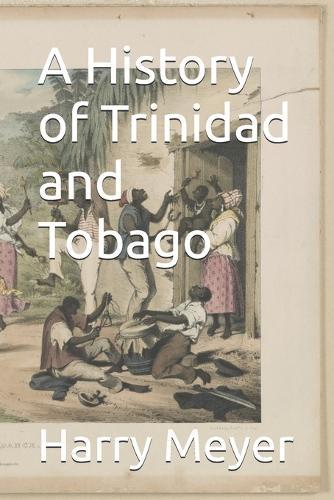
Explore the sweeping, multi-layered saga of a twin-island nation that serves as a cultural and economic crossroads of the Caribbean. This comprehensive history begins in the deep past, tracing the origins of the first Indigenous settlers at Banwari Trace thousands of years before European contact. It follows the islands through the centuries of Spanish neglect, the transformative impact of the 1783 Cedula of Population that sparked a wave of French migration, and the eventual British conquest that turned Trinidad into a powerhouse of the plantation era. Meanwhile, the narrative charts the distinct, turbulent journey of Tobago-a prize contested by European powers more than thirty times before its eventual unification with Trinidad. The heart of the story lies in the relentless arrival and accommodation of diverse peoples. After the abolition of slavery created a labor crisis on the sugar estates, the ""Great Experiment"" of Indian indentureship began, bringing hundreds of thousands of immigrants who would fundamentally reshape the islands' demographic and cultural landscape. Alongside them, Chinese, Portuguese, and Middle Eastern migrants added further layers to a complex social mosaic. This book examines how these disparate groups navigated the rigid structures of colonial rule, carving out independent lives as peasant proprietors, merchants, and industrial workers in the emerging oil belt. The 20th century brings a dramatic shift from agriculture to industry, fueled by the discovery of ""black gold."" The narrative captures the intensity of the 1930s labor riots and the rise of charismatic leaders like Uriah Butler, whose activism shook the foundations of the colonial order. Readers will follow the impact of World War II and the American military presence, which introduced the ""Yankee dollar"" and a new sense of modernity, paving the road to independence in 1962. Led by the intellectual force of Dr. Eric Williams, the nation embarked on a challenging path of self-governance, navigating failed federations and the birth of modern party politics. The later chapters delve into the trials of a young republic, from the social upheaval of the 1970 Black Power Revolution to the intoxicating highs and devastating lows of the oil boom and bust. The book provides a gripping account of the 1990 coup attempt and the subsequent economic restructuring that pivoted the nation toward a natural gas-driven economy. It candidly addresses the 21st-century challenges of crime, political polarization, and economic volatility, while celebrating the resilience of a people who have successfully navigated centuries of systemic change. Ultimately, this is a tribute to the creative genius and national identity of Trinidad and Tobago. It explores the birth of the steelpan, the evolution of calypso and soca, and the profound significance of the Trinidad Carnival-a ""theatre of the street"" that serves as a ritual of historical memory and creative freedom. From the first hunter-gatherers to the industrial leaders of today, this book offers a definitive look at how a mosaic of cultures forged a unique, restless, and vibrant nation at the edge of the Caribbean.
Full Product Details
Author: Harry Meyer
Publisher: Independently Published
Imprint: Independently Published
Dimensions:
Width: 15.20cm
, Height: 0.90cm
, Length: 22.90cm
Weight: 0.222kg
ISBN: 9798246521267
Pages: 160
Publication Date: 01 February 2026
Audience:
General/trade
,
General
Format: Paperback
Publisher's Status: Active
Availability: Available To Order

We have confirmation that this item is in stock with the supplier. It will be ordered in for you and dispatched immediately.