Overview
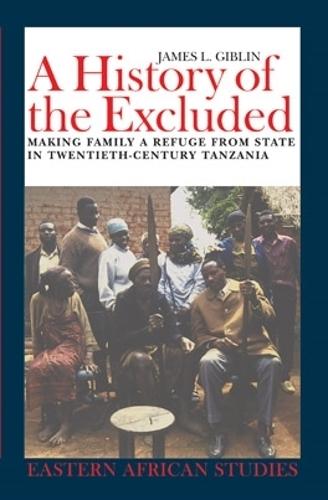
The twentieth-century history of Njombe, the Southern Highlands district of Tanzania, can aptly be summed up as exclusion within incorporation. Njombe was marginalized even as it was incorporated into the colonial economy. Njombe's people came to see themselves as excluded from agricultural markets, access to medical services, schooling--in short, from all opportunity to escape the impoverishing trap of migrant labor.
Full Product Details
Author: James L. Giblin ,
Blandina Kaduma Giblin
Publisher: Ohio University Press
Imprint: Ohio University Press
Dimensions:
Width: 14.00cm
, Height: 2.30cm
, Length: 21.60cm
Weight: 0.399kg
ISBN: 9780821416693
ISBN 10: 0821416693
Pages: 320
Publication Date: 15 December 2005
Audience:
Professional and scholarly
,
Professional & Vocational
Format: Paperback
Publisher's Status: Active
Availability: In Print

This item will be ordered in for you from one of our suppliers. Upon receipt, we will promptly dispatch it out to you. For in store availability, please contact us.
Reviews
By charting the history of family dynamics among the Wabena from World War I through early independence, A History of the Excluded shines a particularly powerful light on how individuals experienced the demands of migrant labor and plantation conditions, the introduction of new farming technologies and business opportunities, and the policies of TANU national settlement and market controlsall within family, not state, parameters. African Studies Review
By charting the history of family dynamics among the Wabena from World War I through early independence, A History of the Excluded shines a particularly powerful light on how individuals experienced the demands of migrant labor and plantation conditions, the introduction of new farming technologies and business opportunities, and the policies of TANU national settlement and market controls--all within family, not state, parameters. -- African Studies Review
“By charting the history of family dynamics among the Wabena from World War I through early independence, A History of the Excluded shines a particularly powerful light on how individuals experienced the demands of migrant labor and plantation conditions, the introduction of new farming technologies and business opportunities, and the policies of TANU national settlement and market controls—all within family, not state, parameters.” “A History of the Excluded is part of a recent trend in Africanist writing that does not celebrate the nation-state and nationalism, as an earlier optimistic historiography did, but rather sees them as a threatening presence that, connected to a global economy, brings poverty and insecurity.”
Author Information
James L. Giblin is an associate professor of history at the University of Iowa.