Overview
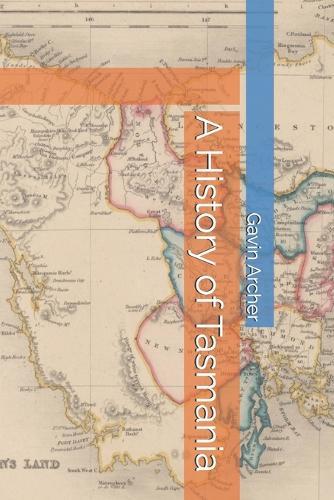
An island at the edge of the world, Tasmania's story is one of dramatic contradictions. This comprehensive history charts the island's epic journey, from its geological birth in the supercontinent of Gondwana to its complex present. It delves into a past that begins in deep time, exploring the forces that sculpted its unique landscape of rugged mountains and serene valleys. The narrative then turns to the island's first inhabitants, the Palawa people, who for forty thousand years developed a rich and resilient culture in complete isolation, becoming the most southerly people on Earth before the rising seas of the last ice age cut them off from the mainland. The arrival of European ships shatters this long solitude, marking the beginning of a new and brutal era. The book chronicles the establishment of Van Diemen's Land as a remote and feared penal colony, a grand experiment in punishment and exile for the British Empire. It unflinchingly examines the devastating impact of colonization on the Aboriginal population, detailing the violent conflict of the Black War and its tragic aftermath. Through the stories of convicts, settlers, whalers, and sealers, it paints a vivid picture of a society forged in hardship, where the struggle for survival played out against a backdrop of breathtaking beauty and profound suffering. From these harsh beginnings, a new identity begins to emerge. This history follows the island's evolution from a despised jail to a free state, joining the new Commonwealth of Australia and earning the optimistic nickname, the ""Apple Isle."" It explores the booms and busts that shaped the twentieth century-from the gold rushes and the flourishing fruit industry to the state's ambitious and divisive program of hydro-industrialisation. The narrative recounts the fierce environmental battles over Lake Pedder and the Franklin River, conflicts that not only thrust Tasmania onto the world stage but also gave birth to the global green political movement. In its final chapters, the book charts Tasmania's remarkable twenty-first-century reinvention. It explores the decline of traditional industries and the shock of the Port Arthur tragedy, and the subsequent cultural renaissance sparked by the audacious Museum of Old and New Art (MONA). This ""MONA effect"" helped transform the island into a global destination for food, wine, and cutting-edge culture. The book concludes by examining the Tasmania of today-a place grappling with the challenges of its newfound popularity, from a housing crisis to debates over conservation and development, while also embarking on the profound journey of reconciliation with its First Peoples. It is the definitive story of how a place once synonymous with despair remade itself into one of the most compelling destinations on Earth.
Full Product Details
Author: Gavin Archer
Publisher: Independently Published
Imprint: Independently Published
Dimensions:
Width: 15.20cm
, Height: 0.70cm
, Length: 22.90cm
Weight: 0.191kg
ISBN: 9798276997605
Pages: 134
Publication Date: 02 December 2025
Audience:
General/trade
,
General
Format: Paperback
Publisher's Status: Active
Availability: Available To Order

We have confirmation that this item is in stock with the supplier. It will be ordered in for you and dispatched immediately.