Overview
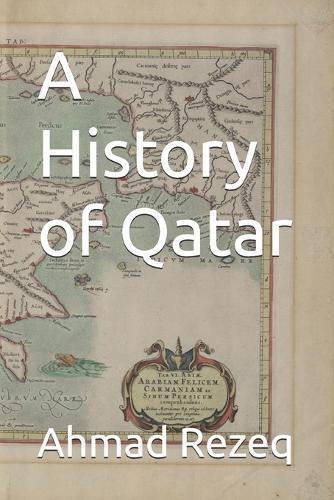
To gaze upon the skyline of modern Doha is to witness a statement of intent written in steel and glass. Less than a century ago, however, Qatar was an impoverished backwater, its inhabitants subject to the whims of the pearl trade. This book chronicles the improbable rise of a tiny desert peninsula, charting its extraordinary journey from a land of sparse nomadic encampments to one of the wealthiest and most influential nations on Earth. It peels back the glossy veneer of hyper-modernity to uncover a narrative of geography, fortune, and human endeavor, asking the profound question: how did a peripheral territory, long overlooked by empires, transform itself into a global powerhouse? The story begins in the deep past, exploring the ancient rhythms of desert and sea that shaped life on the peninsula for millennia. From the prehistoric communities who traded with Mesopotamia to the Christian culture of the Sasanian era, this history delves into the early influences that defined the land. Central to the narrative is the rise of the Al Thani dynasty, which navigated a treacherous landscape of tribal rivalries and imperial pressures from the Ottomans and the British. Through shrewd diplomacy and the crucible of conflict, culminating in the pivotal Battle of Al Wajbah, a nascent national identity was forged, laying the foundations of the modern state long before the discovery of its hidden wealth. This history captures the dramatic twin revolutions that defined Qatar's destiny. First, the cataclysmic collapse of the centuries-old pearling industry in the 1930s, a perfect storm of global depression and Japanese innovation that plunged the peninsula into extreme poverty. Then, from this nadir of fortune, came the discovery of oil and, later, the world's largest non-associated natural gas field. The book details the colossal, high-stakes gamble to pioneer the liquefied natural gas (LNG) industry-a decision that unlocked a torrent of wealth previously unimaginable and provided the financial firepower for Qatar's global ambitions. With this immense wealth secured, a new and audacious vision for the nation was unleashed. This account explores the transformative initiatives that propelled Qatar onto the world stage: the founding of the controversial Al Jazeera satellite network, which gave the nation a powerful voice across the Arab world; the creation of Education City, a multi-billion-dollar project to import elite Western universities; and the relentless pursuit of global influence through sport, culminating in the successful hosting of the 2006 Asian Games and the stunning, world-changing bid for the 2022 FIFA World Cup. The book does not shy away from the complexities and controversies of this rapid ascent. It examines Qatar's assertive and often polarizing foreign policy during the Arab Spring, a strategy that led to a deep rift with its neighbors and the severe 2017 diplomatic crisis and blockade. It confronts the intense global scrutiny over migrant labor rights and social issues in the run-up to the World Cup, detailing both the criticisms and the sweeping reforms they prompted. This is the definitive story of a nation's improbable transformation-a chronological exploration of the forces, decisions, and ambitions that turned a strip of desert into a key player in the 21st century.
Full Product Details
Author: Ahmad Rezeq
Publisher: Independently Published
Imprint: Independently Published
Dimensions:
Width: 15.20cm
, Height: 0.80cm
, Length: 22.90cm
Weight: 0.204kg
ISBN: 9798244496352
Pages: 146
Publication Date: 18 January 2026
Audience:
General/trade
,
General
Format: Paperback
Publisher's Status: Active
Availability: Available To Order

We have confirmation that this item is in stock with the supplier. It will be ordered in for you and dispatched immediately.