Overview
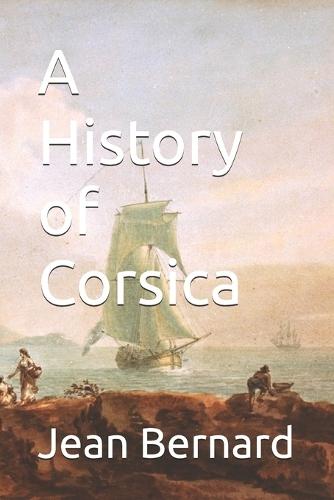
From the mysterious megalith builders of its prehistory to the modern-day debates over autonomy, this history chronicles the tumultuous saga of Corsica, a fortress island coveted and conquered for millennia. Situated at the crossroads of the Mediterranean, its strategic location was both a blessing and a curse, attracting waves of invaders-Greeks, Romans, Vandals, and Saracens-who all sought to impose their will upon its shores. This constant struggle against outsiders forged a unique and resilient Corsican character, defined by a deep-seated suspicion of foreign authority and an unyielding spirit of independence that would shape its destiny. The narrative delves into the long and complex relationship with the Italian maritime republics, detailing the cultural flourishing of the Pisan Ascendancy, which left behind a legacy of beautiful Romanesque churches, and the subsequent five centuries of often brutal and exploitative rule by the Republic of Genoa. This period of foreign domination gave rise to the island's infamous clan-based society and the tradition of the vendetta. It was out of this crucible of oppression and endemic feudal anarchy that a powerful desire for nationhood was born, setting the stage for an unprecedented revolutionary age. The eighteenth century emerges as a pivotal turning point, an era when Corsica, against all odds, became a beacon of the European Enlightenment. The book vividly recounts the protracted rebellion against Genoa, the theatrical reign of the adventurer-king Theodore von Neuhoff, and the remarkable fourteen-year period of independence under the visionary Pasquale Paoli. His Corsican Republic, with a written constitution that drew admiration from Voltaire and Rousseau, stands as a testament to the island's fierce struggle for liberty, a dream ultimately crushed by French conquest just as its most famous son, Napoleon Bonaparte, was born. Bringing the story to the present, the final chapters navigate Corsica's complex journey as a part of France. From the slow assimilation and romanticized banditry of the 19th century to the immense sacrifice of a generation in World War I, the island's identity is constantly tested. The narrative explores the trauma of World War II and the pride of being the first part of metropolitan France to be liberated. It then charts the rise of the modern nationalist movement in the post-war years, culminating in the violent ""Years of Embers"" and the clandestine war waged by the FLNC, before finally examining the island's current status and its ongoing quest for a peaceful and autonomous future within the French Republic.
Full Product Details
Author: Jean Bernard
Publisher: Independently Published
Imprint: Independently Published
Dimensions:
Width: 15.20cm
, Height: 0.80cm
, Length: 22.90cm
Weight: 0.200kg
ISBN: 9798270667795
Pages: 142
Publication Date: 19 October 2025
Audience:
General/trade
,
General
Format: Paperback
Publisher's Status: Active
Availability: Available To Order

We have confirmation that this item is in stock with the supplier. It will be ordered in for you and dispatched immediately.