Overview
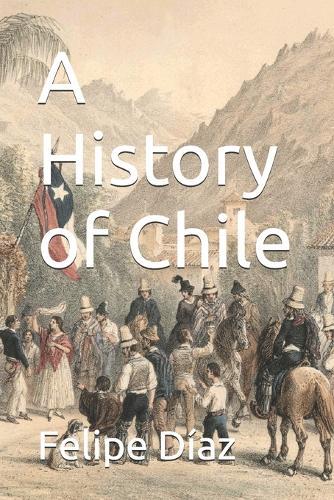
Stretching like a ribbon between the towering Andes and the vast Pacific, Chile is a land of stunning contrasts whose dramatic geography has shaped a history of isolation, conflict, and resilience. This sweeping narrative takes you on a journey from the continent's earliest known human settlements at Monte Verde and the sophisticated desert cultures of the north to the arrival of the Spanish conquistadors. It delves into the centuries-long Arauco War, a brutal conflict in which the indomitable Mapuche people resisted both the Inca and Spanish empires, forging a frontier identity that would define the nation for generations. From its origins as a remote and rugged colonial outpost, a unique and complex society began to take shape, setting the stage for a turbulent struggle for independence. The nineteenth century saw Chile forge its own path, marked by a fierce internal battle between the desire for order and the promise of liberty. The book chronicles the establishment of the authoritarian Conservative Republic under the guiding hand of Diego Portales, which brought stability at a high cost, followed by the gradual reforms of the Liberal Republic. This era of nation-building culminates in the pivotal War of the Pacific, a conflict that transformed Chile into the dominant military power on the coast and gave it control over the world's richest nitrate deposits. The ensuing wealth flooded the nation, funding modernization but also deepening social divides and setting the stage for the political upheavals of the new century. This history vividly portrays Chile in the twentieth century as a veritable laboratory for the era's great ideological clashes. It explores the chaos of the Parliamentary Republic, the rise of the ""Social Question,"" and the growing power of a militant working class. The narrative builds to the critical post-war years, a time of deepening political polarization between the right, the Christian Democratic center with its ""Revolution in Liberty,"" and the Marxist left. This tension culminates in the historic 1970 election of Salvador Allende, the world's first democratically elected socialist leader, and his audacious attempt to build ""the Chilean way to socialism,"" an experiment that ended in the brutal, nation-shattering military coup of September 11, 1973. The final part of the book grapples with the profound and contradictory legacy of General Augusto Pinochet's seventeen-year dictatorship, a period of systematic human rights violations paired with a radical free-market economic revolution. It recounts the dramatic story of the 1988 ""No"" campaign that ousted the dictator and the subsequent two decades of center-left Concertación governments, which skillfully navigated the return to democracy, sought reconciliation for the crimes of the past, and oversaw a period of unprecedented economic growth. Yet, this ""Chilean miracle"" masked deep and persistent inequalities, which finally exploded in the massive ""Estallido Social"" of 2019. The book concludes by exploring this massive social upheaval and Chile's ongoing, tumultuous quest to write a new constitution, a process that continues to define the nation's present and future.
Full Product Details
Author: Felipe Díaz
Publisher: Independently Published
Imprint: Independently Published
Dimensions:
Width: 15.20cm
, Height: 0.80cm
, Length: 22.90cm
Weight: 0.218kg
ISBN: 9798270915780
Pages: 156
Publication Date: 21 October 2025
Audience:
General/trade
,
General
Format: Paperback
Publisher's Status: Active
Availability: Available To Order

We have confirmation that this item is in stock with the supplier. It will be ordered in for you and dispatched immediately.