Overview
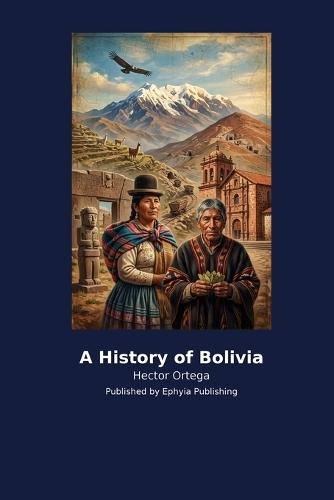
A History of Bolivia takes readers on a sweeping journey from the earliest human footprints on the Andean highlands to the turbulent politics of the twenty-first century. Beginning with the geography that shaped Bolivia's distinct zones-the windswept Altiplano, the fertile valleys, and the vast tropical lowlands-the book shows how environment dictated settlement, agriculture, and the rise of ancient societies like Tiwanaku and the Aymara kingdoms. Readers will grasp how these pre-Columbian cultures mastered potato and quinoa domestication, llama and alpaca herding, and innovative raised-field farming, laying foundations that endured centuries of change.The narrative then follows the dramatic encounter with the Inca Empire, the brutal Spanish conquest, and the transformation of Upper Peru into a colonial silver powerhouse centered on Potosí. Through vivid detail, the book reveals the human cost of the mita labor system, the global impact of Potosí's silver, and the persistent resistance of indigenous peoples-from the rebellions of Túpac Katari and Túpac Amaru II to the subtle everyday acts of cultural survival. Readers will experience the clash of worlds, the exploitation that fueled a European empire, and the enduring spirit of Andean identity.Moving into the nineteenth and twentieth centuries, the book charts Bolivia's painful birth as a republic, the instability of caudillo rule, the loss of its coastline in the War of the Pacific, and the rise of tin and silver barons who forged an oligarchic modernization. It explains how the Chaco War devastated a generation, how revolutionary nationalism emerged from military socialism, and how the 1952 National Revolution overturned the old order with mine nationalization, agrarian reform, and universal suffrage. Readers will witness the ensuing tug-of-war between populist movements, military coups, and the neoliberal shock therapies of the 1980s that reshaped the nation's economy and social fabric.The later chapters bring the story into the contemporary era, exploring the Water War and Gas War that toppled neoliberal governments, the historic election of Evo Morales as Bolivia's first indigenous president, and the profound social programs that followed. The book does not shy away from recent turmoil, covering the 2019 political crisis, the interim government, and the return of MAS to power, while examining the ongoing tensions between the western highlands and eastern lowlands, the challenges of dwindling gas reserves, and the struggle to balance extractive development with environmental and indigenous rights. By the end, readers will have a comprehensive understanding of how Bolivia's wealth, geography, and relentless pursuit of justice have intertwined to create a nation of paradoxes, resilience, and continual reinvention.
Full Product Details
Author: Hector Ortega
Publisher: Traffikoo Publishing
Imprint: Traffikoo Publishing
Dimensions:
Width: 15.20cm
, Height: 0.60cm
, Length: 22.90cm
Weight: 0.168kg
ISBN: 9798256029944
Pages: 118
Publication Date: 20 May 2026
Audience:
General/trade
,
General
Format: Paperback
Publisher's Status: Active
Availability: Available To Order

We have confirmation that this item is in stock with the supplier. It will be ordered in for you and dispatched immediately.