Overview
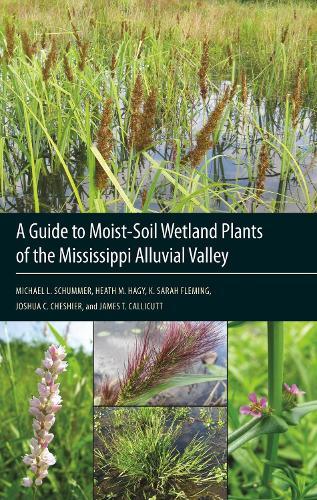
Moist-soil wetlands are seasonally flooded areas that produce early-succession plant communities of grasses, sedges, and other herbaceous plants. Moist-soil wetland plants provide food and cover for a diversity of wildlife species, including waterfowl and other waterbirds. Thus, conservation and management of moist-soil plants has become a major component of wildlife conservation efforts in the Mississippi Alluvial Valley and elsewhere in North America. The authors combined their extensive experience working in managed and unmanaged wetlands from southern Missouri to southern Louisiana to produce this beautifully-illustrated identification guide. A detailed, yet user friendly field guide to identify moist-soil plants of the Mississippi Alluvial Valley has not been available until now.Management to encourage the growth of moist-soil plants is a common conservation strategy used by state, federal, and private landowners to increase food and cover for wildlife. Thus, landowners must be able to identify moist-soil plants to meet their wildlife conservation goals. Landowners, scientists, wildlife biologists, and students alike will welcome this useful resource which includes 600 detailed color photographs of plants, images of seeds and tubers, and other helpful information to aid in identification. The book includes subsections of major plant groups occurring in moist-soil wetlands including aquatics, grasses, broadleaves, sedges and rushes, trees and shrubs, vines, and agricultural crops.
Full Product Details
Author: Michael L. Schummer ,
Heath M. Hagy ,
K. Sarah Fleming ,
Joshua C.
Publisher: University Press of Mississippi
Imprint: University Press of Mississippi
Dimensions:
Width: 15.70cm
, Height: 2.20cm
, Length: 23.00cm
Weight: 0.685kg
ISBN: 9781617031465
ISBN 10: 1617031461
Pages: 276
Publication Date: 30 November 2011
Audience:
Professional and scholarly
,
Professional & Vocational
Format: Paperback
Publisher's Status: Active
Availability: Temporarily unavailable

The supplier advises that this item is temporarily unavailable. It will be ordered for you and placed on backorder. Once it does come back in stock, we will ship it out to you.
Reviews
This book is very well written and much needed to fill a void that has existed for decades. The overall format is well thought out and will be very useful to readers, researchers, consultants, land managers, students, etc. The descriptions are concise and written in such a manner that a novice or a well-trained expert can use the text to identify plants. The photos are works of art. --Dr. Charles T. Bryson, author of Weeds of the South and Weeds of the Midwestern United States and Central Canada
This book is very well written and much needed to fill a void that has existed for decades. The overall format is well thought out and will be very useful to readers, researchers, consultants, land managers, students, etc. The descriptions are concise and written in such a manner that a novice or a well-trained expert can use the text to identify plants. The photos are works of art. Dr. Charles T. Bryson, author of <i>Weeds of the South</i> and <i>Weeds of the Midwestern United States and Central Canada</i></p>
This book is very well written and much needed to fill a void that has existed for decades. The overall format is well thought out and will be very useful to readers, researchers, consultants, land managers, students, etc. The descriptions are concise and written in such a manner that a novice or a well-trained expert can use the text to identify plants. The photos are works of art. --Dr. Charles T. Bryson, author of <i>Weeds of the South</i> and <i>Weeds of the Midwestern United States and Central Canada</i></p>
�This book is very well written and much needed to fill a void that has existed for decades. The overall format is well thought out and will be very useful to readers, researchers, consultants, land managers, students, etc. The descriptions are concise and written in such a manner that a novice or a well-trained expert can use the text to identify plants. The photos are works of art.��Dr. Charles T. Bryson, author of Weeds of the South and Weeds of the Midwestern United States and Central Canada �Classically trained by experts in moist-soil management, Mike Schummer and his co-authors have made their own mark as authorities on wetland plant identification with the publication of A Guide to Moist-Soil Wetland Plants of the Mississippi Alluvial Valley. This current and well written guide to over 200 taxa of moist-soil wetland plants provides a particularly useful history and overview of moist-soil management. This guide will be the go-to resource whether in the field or office for the layman or the professional.��Dr. Philip J. Barbour, Certified Wildlife Biologist with over 36 years of experience in the wetlands of the southeastern United States �This is the most complete compilation of plants that occur in moist-soil wetlands that has ever been assembled. The authors have done a great job of providing not only a good description, but also great pictures showing each plant in different growth stages and important distinguishing characteristics. The pictures make plant identification easy. This book should be welcomed by biologists, wetland managers, and landowners alike.��Kevin D. Nelms, Certified Wildlife Biologist and wetland management expert with over 14 years of experience working in the Mississippi Alluvial Valley -This book is very well written and much needed to fill a void that has existed for decades. The overall format is well thought out and will be very useful to readers, researchers, consultants, land managers, students, etc. The descriptions are concise and written in such a manner that a novice or a well-trained expert can use the text to identify plants. The photos are works of art.---Dr. Charles T. Bryson, author of Weeds of the South and Weeds of the Midwestern United States and Central Canada -Classically trained by experts in moist-soil management, Mike Schummer and his co-authors have made their own mark as authorities on wetland plant identification with the publication of A Guide to Moist-Soil Wetland Plants of the Mississippi Alluvial Valley. This current and well written guide to over 200 taxa of moist-soil wetland plants provides a particularly useful history and overview of moist-soil management. This guide will be the go-to resource whether in the field or office for the layman or the professional.---Dr. Philip J. Barbour, Certified Wildlife Biologist with over 36 years of experience in the wetlands of the southeastern United States -This is the most complete compilation of plants that occur in moist-soil wetlands that has ever been assembled. The authors have done a great job of providing not only a good description, but also great pictures showing each plant in different growth stages and important distinguishing characteristics. The pictures make plant identification easy. This book should be welcomed by biologists, wetland managers, and landowners alike.---Kevin D. Nelms, Certified Wildlife Biologist and wetland management expert with over 14 years of experience working in the Mississippi Alluvial Valley This book is very well written and much needed to fill a void that has existed for decades. The overall format is well thought out and will be very useful to readers, researchers, consultants, land managers, students, etc. The descriptions are concise and written in such a manner that a novice or a well-trained expert can use the text to identify plants. The photos are works of art. --Dr. Charles T. Bryson, author of Weeds of the South and Weeds of the Midwestern United States and Central Canada Classically trained by experts in moist-soil management, Mike Schummer and his co-authors have made their own mark as authorities on wetland plant identification with the publication of A Guide to Moist-Soil Wetland Plants of the Mississippi Alluvial Valley. This current and well written guide to over 200 taxa of moist-soil wetland plants provides a particularly useful history and overview of moist-soil management. This guide will be the go-to resource whether in the field or office for the layman or the professional. --Dr. Philip J. Barbour, Certified Wildlife Biologist with over 36 years of experience in the wetlands of the southeastern United States This is the most complete compilation of plants that occur in moist-soil wetlands that has ever been assembled. The authors have done a great job of providing not only a good description, but also great pictures showing each plant in different growth stages and important distinguishing characteristics. The pictures make plant identification easy. This book should be welcomed by biologists, wetland managers, and landowners alike. --Kevin D. Nelms, Certified Wildlife Biologist and wetland management expert with over 14 years of experience working in the Mississippi Alluvial Valley This book is very well written and much needed to fill a void that has existed for decades. The overall format is well thought out and will be very useful to readers, researchers, consultants, land managers, students, etc. The descriptions are concise and written in such a manner that a novice or a well-trained expert can use the text to identify plants. The photos are works of art. Dr. Charles T. Bryson, author of Weeds of the South and Weeds of the Midwestern United States and Central Canada Classically trained by experts in moist-soil management, Mike Schummer and his co-authors have made their own mark as authorities on wetland plant identification with the publication of A Guide to Moist-Soil Wetland Plants of the Mississippi Alluvial Valley. This current and well written guide to over 200 taxa of moist-soil wetland plants provides a particularly useful history and overview of moist-soil management. This guide will be the go-to resource whether in the field or office for the layman or the professional. Dr. Philip J. Barbour, Certified Wildlife Biologist with over 36 years of experience in the wetlands of the southeastern United States This is the most complete compilation of plants that occur in moist-soil wetlands that has ever been assembled. The authors have done a great job of providing not only a good description, but also great pictures showing each plant in different growth stages and important distinguishing characteristics. The pictures make plant identification easy. This book should be welcomed by biologists, wetland managers, and landowners alike. Kevin D. Nelms, Certified Wildlife Biologist and wetland management expert with over 14 years of experience working in the Mississippi Alluvial Valley This book is very well written and much needed to fill a void that has existed for decades. The overall format is well thought out and will be very useful to readers, researchers, consultants, land managers, students, etc. The descriptions are concise and written in such a manner that a novice or a well-trained expert can use the text to identify plants. The photos are works of art. Dr. Charles T. Bryson, author of Weeds of the South and Weeds of the Midwestern United States and Central Canada Classically trained by experts in moist-soil management, Mike Schummer and his co-authors have made their own mark as authorities on wetland plant identification with the publication of A Guide to Moist-Soil Wetland Plants of the Mississippi Alluvial Valley. This current and well written guide to over 200 taxa of moist-soil wetland plants provides a particularly useful history and overview of moist-soil management. This guide will be the go-to resource whether in the field or office for the layman or the professional. Dr. Philip J. Barbour, Certified Wildlife Biologist with over 36 years of experience in the wetlands of the southeastern United States This is the most complete compilation of plants that occur in moist-soil wetlands that has ever been assembled. The authors have done a great job of providing not only a good description, but also great pictures showing each plant in different growth stages and important distinguishing characteristics. The pictures make plant identification easy. This book should be welcomed by biologists, wetland managers, and landowners alike. Kevin D. Nelms, Certified Wildlife Biologist and wetland management expert with over 14 years of experience working in the Mississippi Alluvial Valley This book is very well written and much needed to fill a void that has existed for decades. The overall format is well thought out and will be very useful to readers, researchers, consultants, land managers, students, etc. The descriptions are concise and written in such a manner that a novice or a well-trained expert can use the text to identify plants. The photos are works of art. --Dr. Charles T. Bryson, author of Weeds of the South and Weeds of the Midwestern United States and Central Canada Classically trained by experts in moist-soil management, Mike Schummer and his co-authors have made their own mark as authorities on wetland plant identification with the publication of A Guide to Moist-Soil Wetland Plants of the Mississippi Alluvial Valley. This current and well written guide to over 200 taxa of moist-soil wetland plants provides a particularly useful history and overview of moist-soil management. This guide will be the go-to resource whether in the field or office for the layman or the professional. --Dr. Philip J. Barbour, Certified Wildlife Biologist with over 36 years of experience in the wetlands of the southeastern United States This is the most complete compilation of plants that occur in moist-soil wetlands that has ever been assembled. The authors have done a great job of providing not only a good description, but also great pictures showing each plant in different growth stages and important distinguishing characteristics. The pictures make plant identification easy. This book should be welcomed by biologists, wetland managers, and landowners alike. --Kevin D. Nelms, Certified Wildlife Biologist and wetland management expert with over 14 years of experience working in the Mississippi Alluvial Valley
Author Information
Michael L. Schummer of Allegany, New York, is a scientist with Long Point Waterfowl, a nonprofit organization dedicated to the study and conservation of waterfowl and wetlands throughout the lower Great Lakes.|Heath M. Hagy of Frederick, Oklahoma, is a postdoctoral research associate in the Department of Forestry, Wildlife and Fisheries, at the University of Tennessee-Knoxville.|K. Sarah Fleming of North Bay, Ontario is a regional biologist with Ducks Unlimited, Inc.|Joshua C. Cheshier of Seattle, Washington, is a directional driller with Halliburton, Sperry Drilling Services.|James T. Callicutt of New Albany, Mississippi, is a research associate with Mississippi State University.