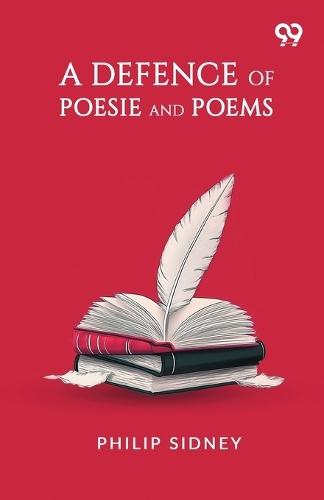
Overview
A defence of poesie and poems examines the purpose and importance of poetic expression while responding to widespread claims that poetry lacks seriousness or social value. The work opens by considering the broader cultural environment in which poetry was often dismissed, and it gradually presents a counterargument that positions poetic creation as a meaningful force capable of shaping thought and nurturing moral insight. The early sections describe how poetic language can clarify complex ideas, elevate perception, and encourage a deeper engagement with human experience. Instead of treating poetry as ornament or diversion, the text insists on its capacity to guide reflection, cultivate imagination, and inspire ethical awareness. It emphasizes that poetry blends creativity with instruction, offering a unique form of understanding that cannot be fully achieved through more literal forms of writing. The introduction establishes the foundation for a larger argument that literature possesses transformative potential, inviting readers to reconsider their assumptions about artistic value and to recognize poetry as a vital medium through which truth and aspiration can be explored.
Full Product Details
Author: Philip Sidney
Publisher: Double 9 Books
Imprint: Double 9 Books
ISBN: 9789375554899
ISBN 10: 9375554899
Pages: 86
Publication Date: 01 November 2025
Audience:
General/trade
,
General
Format: Paperback
Publisher's Status: Active
Availability: Available To Order

We have confirmation that this item is in stock with the supplier. It will be ordered in for you and dispatched immediately.
Author Information
Sir Philip Sidney was a widely admired figure whose life combined literary ambition, intellectual depth, and public service. Born to Henry Sidney and Mary Dudley, he grew up in an influential household that encouraged scholarship and artistic refinement, shaping his interest in language, learning, and statesmanship. His education fostered a broad understanding of politics, culture, and classical thought, which later informed the clarity and confidence of his prose and poetry. Although known for his disciplined approach to writing, he also embodied the ideals of the courtier, balancing artistic pursuits with diplomatic responsibilities and military involvement. His major works, including his well-known sonnet sequence, a pastoral narrative, and a thoughtful defence of poetic expression, reveal a commitment to exploring the nature of creativity, the dynamics of human emotion, and the moral value of imaginative literature. His life was brief, yet his influence extended across literary circles, inspiring future writers to treat poetry as both an art and a means of cultivating virtue. His legacy endures through the enduring relevance of his ideas and the distinctive voice he brought to his era.