|
|
|||
|
||||
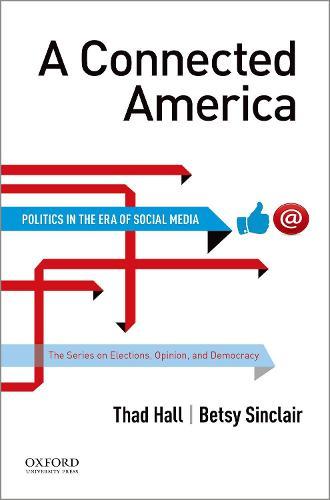
OverviewFull Product DetailsAuthor: Hall , SinclairPublisher: Oxford University Press Inc Imprint: Oxford University Press Inc Dimensions: Width: 15.50cm , Height: 1.50cm , Length: 23.10cm Weight: 0.259kg ISBN: 9780199341986ISBN 10: 0199341982 Pages: 176 Publication Date: 10 October 2018 Audience: College/higher education , Tertiary & Higher Education Format: Paperback Publisher's Status: Active Availability: To order Stock availability from the supplier is unknown. We will order it for you and ship this item to you once it is received by us. Table of Contents"Acknowledgements Preface 1. New Media and Electoral Representation a. The 47% Disaster, Data, and Information b. How Citizens Make Good Political Decisions i. Political Knowledge ii. Political Engagement iii. Being an Active Citizen c. New Media and the Missing Utopia d. Pussygate e. The Brave New World f. Suggested Readings 2. The American ""Internet"" Voter a. Who is Howard Dean? b. Digital Citizens: New Media Access i. The Offline Adults ii. Online Access Points iii. Social Media Communities iv. The Cell Phone Revolution v. Social Internet Adults c. Digital Differences: New Media Use by the Political American i. The Online Political Person d. Engaging the Politically-Disinterested e. Who is Bernie Sanders? f. Describing the American Internet Voter 3. Googling Political Information a. Following Football, Following Politics b. Political Facts v. Political Knowledge c. The Internet, Learning, and Primary Elections d. Individual's Searching for Candidate Information Online e. Googling During the California Top Two Primary f. Googling During Presidential Elections g. Google and Democratic Values 4. Debating Politics in the YouTube Comments Section a. Online Political Deliberation b. Incivility and Perception c. YouTube d. Discussion Bubbles e. Clinton vs Trump Speeches: The YouTube Commenters Community f. Real Communication on YouTube 5. Receiving Tweets from Politicians a. Twitter in American Life b. Tweeting Directly to Voters c. The Tweeting President i. Tweets that Connect d. Twitter Bots, Popularity, and Fake News (Part 1) e. The Psychology of Fake News f. The Twitterverse and American Politics 6. Discussing Politics Face(book)-to-Face(book) a. Facebook as a Force in Politics b. Content of Shared Material c. Who Are the Connectors? d. Two-Step Flow: The Potential Magnitude of Sharing Politics Through New Media e. Shared Memes f. Online Sharing Occurs Less Frequently Than Actual Political Conversations g. Fake News (Part 2) h. Memes, Information, and Conversation: Political Conversation Between People Still Dominants New Media 7. Conclusion a. Better Consumers of News b. Polarization and the Internet i. Reflection c. Opportunities for Engagement and Further Thought Bibliography"ReviewsA Connected America is easily the best text in its field. It runs the gamut of topics that should be covered and provides a nice balance of research and explanation. --David Peterson, Iowa State University """A Connected America is easily the best text in its field. It runs the gamut of topics that should be covered and provides a nice balance of research and explanation."" --David Peterson, Iowa State University" Author InformationThad Hall is former Associate Professor of Political Science at the Institute of Public and International Affairs at the University of Utah. Betsy Sinclair is Professor of Political Science at Washington University in St. Louis. Tab Content 6Author Website:Countries AvailableAll regions |
||||