|
|
|||
|
||||
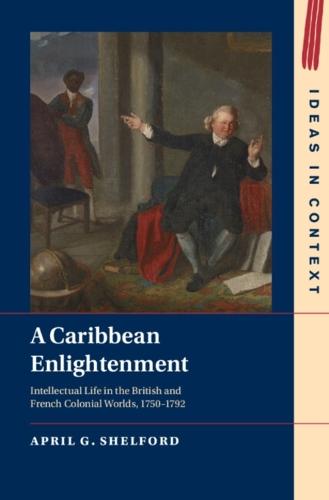
OverviewExploring the intersection of Enlightenment ideas and colonial realities amongst White, male colonists in the eighteenth-century French and British Caribbean, A Caribbean Enlightenment recovers a neglected aspect of the region's history. Physicians to planters, merchants to publishing entrepreneurs were as inspired by ideologies of utility and improvement as their metropolitan counterparts, and they adapted 'enlightened' ideas and social practices to understand their place in the Atlantic World. Colonists collected botanical specimens for visiting naturalists and books for their personal libraries. They founded periodicals that created arenas for the discussion and debate of current problems. They picked up the pen to complain about their relationship with the home country. And they read to make sense of everything from parenting to personal salvation, to their new societies and the enslaved Africans on whom their prosperity depended. Ultimately, becoming 'enlightened' was a colonial identity that rejected metropolitan stereotypes of Caribbean degeneracy while validating the power to enslave on a cultural basis. Full Product DetailsAuthor: April G. Shelford (American University, Washington DC)Publisher: Cambridge University Press Imprint: Cambridge University Press Weight: 0.585kg ISBN: 9781009360838ISBN 10: 1009360833 Pages: 404 Publication Date: 20 March 2025 Audience: General/trade , General Format: Paperback Publisher's Status: Active Availability: Manufactured on demand We will order this item for you from a manufactured on demand supplier. Table of Contents1. What is a Caribbean enlightenment?; Part I. Before Breadfruit: Natural History, Sociability, and Colonial Identity in Jamaica: Introduction to Part I; 2. Jamaica's Patrick Browne; 3. Birds of a feather; Conclusion to Part I; Part II. Creating Enlightened Citizens: The Periodicals of Saint-Domingue in the 1760s: Introduction to Part II; 4. Making the Affiches, making Americans; 5. American exceptionalism, political economy and the postwar order in the Journal de Saint-Domingue; 6. A slave named Voltaire; or, gender and the making American taste; Conclusion to Part II; Part III. Tristram in the Tropics: or, Reading in Jamaica: Introduction to Part III; 7. Whence, whither, and which books?; 8. 'Truth hard to be discovered': The commonplace books of Thomas Thistlewood; 9. Containing the Overflowing Fountain of His Brain: Robert Long's 'Reflections'; Conclusion to Part III; Part IV. Cultivating Knowledge: Agricultural Enlightenment in the French Caribbean: Introduction to Part IV; 10. 'Je sçais par une longue experience …'; 11. Agricultural enlightenment in the Saint-Domingue press; 12. The Enlightened planter; Conclusion to Part IV; 13. Concluding reflections; Index.ReviewsAuthor InformationApril G. Shelford is Associate Professor Emerita in the Department of History at American University, Washington, DC. She won the Selma Forkosch prize for best article published in the Journal of the History of Ideas in 2002. She is the recipient of fellowships at the John Carter Brown Library, Brown University, and the Institute for Advanced Studies in the Humanities, University of Edinburgh. For two years she was Visiting Professor at the University of the West Indies, Jamaica, which inspired the research for this project. Tab Content 6Author Website:Countries AvailableAll regions |
||||