Overview
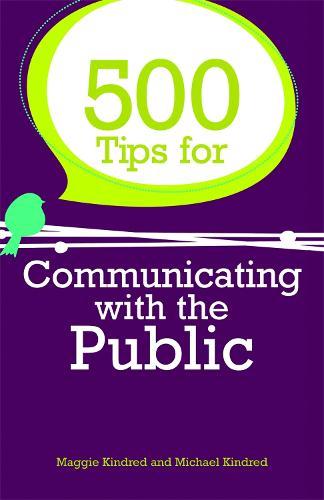
This is a light-hearted, easily digestible guide with a wealth of handy hints and tips for the helping professions when they have to communicate with the public. For those in the helping professions, communicating with the public can sometimes be a challenge, and different skills are needed to those used when communicating with friends and family. This book addresses these issues by providing hundreds of tips on how to communicate with the public, covering topics such as managing conflict, assertiveness, feelings, listening and boundaries. It also includes guidance on reflection, supervision, confidentiality and anti-discrimination. The book uses a fun and accessible approach, making the advice easy to read and then put into practice. This handy guide will be invaluable to a range of practitioners in the helping professions including health visitors, social care workers, probation officers and teachers, as well as any other professional looking for tips on how to communicate effectively.
Full Product Details
Author: Maggie Kindred ,
Michael Kindred
Publisher: Jessica Kingsley Publishers
Imprint: Jessica Kingsley Publishers
Dimensions:
Width: 14.00cm
, Height: 0.70cm
, Length: 20.90cm
Weight: 0.214kg
ISBN: 9781849051750
ISBN 10: 1849051755
Pages: 160
Publication Date: 15 March 2011
Audience:
Professional and scholarly
,
Professional & Vocational
Format: Paperback
Publisher's Status: Active
Availability: Out of stock

The supplier is temporarily out of stock of this item. It will be ordered for you on backorder and shipped when it becomes available.
Reviews
Communicating with the public is a difficult and complex skill for healthcare professionals to master, but it is vital. Offering exactly what it says in the title, this excellent book is straightforward and to the point... I give this book five stars. It is a great read and will be invaluable for teachers, social workers and parents, as well as everyone working in health care. -- Nursing Standard 500 Tips for Communicating with the Public is an informal, logically structured and accessible book designed to allow all members of the multi-disciplinary team to develop their most fundamental clinical skill, communication, in an informal and efficient manner. While belonging to the tip-book and not the text-book genus, it is an expansive and well-written text. -- Dr Michael Daly This is a little volume that's big on practical ideas, containing short, pithy and to the point helpful thoughts on how to manage communication in different settings. In amongst things I knew and things I'd forgotten were tips and exercises that were new to me. It is a refreshing piece of work that would be valuable on the reference shelf of any counsellor, social worker or health care professional who needs help - quickly. -- Dodie Graves, Counsellor, and author of Talking with Bereaved People This book takes its own advice in being straightforward and completely free of jargon. It is neither patronising nor high flown but just provides grounded and sensible advice. This is particularly true when decisions are likely to impact on vulnerable clients in powerful ways such as when help can be given or withheld. The book is arranged in a way that makes it easy to dip into when a worker has a particular concern, and it is relevant to a wide diversity of people from housing officers and police to social workers and counsellors. -- Judy Ryde, freelance psychotherapist, supervisor and trainer, and author of Being White in the Helping Professions
This book takes its own advice in being straightforward and completely free of jargon. It is neither patronising nor high flown but just provides grounded and sensible advice. This is particularly true when decisions are likely to impact on vulnerable clients in powerful ways such as when help can be given or withheld. The book is arranged in a way that makes it easy to dip into when a worker has a particular concern, and it is relevant to a wide diversity of people from housing officers and police to social workers and counsellors. -- Judy Ryde, freelance psychotherapist, supervisor and trainer, and author of Being White in the Helping Professions This is a little volume that's big on practical ideas, containing short, pithy and to the point helpful thoughts on how to manage communication in different settings. In amongst things I knew and things I'd forgotten were tips and exercises that were new to me. It is a refreshing piece of work that would be valuable on the reference shelf of any counsellor, social worker or health care professional who needs help - quickly. -- Dodie Graves, Counsellor, and author of Talking with Bereaved People 500 Tips for Communicating with the Public is an informal, logically structured and accessible book designed to allow all members of the multi-disciplinary team to develop their most fundamental clinical skill, communication, in an informal and efficient manner. While belonging to the tip-book and not the text-book genus, it is an expansive and well-written text. -- Dr Michael Daly Communicating with the public is a difficult and complex skill for healthcare professionals to master, but it is vital. Offering exactly what it says in the title, this excellent book is straightforward and to the point... I give this book five stars. It is a great read and will be invaluable for teachers, social workers and parents, as well as everyone working in health care. -- Nursing Standard
Communicating with the public is a difficult and complex skill for healthcare professionals to master, but it is vital. Offering exactly what it says in the title, this excellent book is straightforward and to the point... I give this book five stars. It is a great read and will be invaluable for teachers, social workers and parents, as well as everyone working in health care. -- Nursing Standard 500 Tips for Communicating with the Public is an informal, logically structured and accessible book designed to allow all members of the multi-disciplinary team to develop their most fundamental clinical skill, communication, in an informal and efficient manner. While belonging to the tip-book and not the text-book genus, it is an expansive and well-written text. -- Dr Michael Daly This is a little volume that's big on practical ideas, containing short, pithy and to the point helpful thoughts on how to manage communication in different settings. In amongst things I knew and things I'd forgotten were tips and exercises that were new to me. It is a refreshing piece of work that would be valuable on the reference shelf of any counsellor, social worker or health care professional who needs help - quickly. -- Dodie Graves, Counsellor, and author of Talking with Bereaved People This book takes its own advice in being straightforward and completely free of jargon. It is neither patronising nor high flown but just provides grounded and sensible advice. This is particularly true when decisions are likely to impact on vulnerable clients in powerful ways such as when help can be given or withheld. The book is arranged in a way that makes it easy to dip into when a worker has a particular concern, and it is relevant to a wide diversity of people from housing officers and police to social workers and counsellors. -- Judy Ryde, freelance psychotherapist, supervisor and trainer, and author of Being White in the Helping Professions
Author Information
Maggie Kindred is a retired qualified social worker, trainer and practice teacher. Michael Kindred is a freelance games designer and educational consultant. Their interests lie in groupwork, communication skills and teamwork, and they have written several publications in these areas. Maggie and Michael are authors of Once Upon a Group: A Guide to Running and Participating in Successful Groups, and Maggie is author of A Practical Guide to Working with Reluctant Clients in Health and Social Care, both published by Jessica Kingsley Publishers.