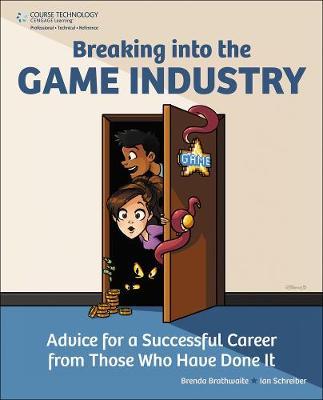
Full Product Details
Author: Ian Schreiber ,
Brenda Brathwaite
Publisher: Cengage Learning, Inc
Imprint: Delmar Cengage Learning
Edition: International Edition
Dimensions:
Width: 18.50cm
, Height: 1.70cm
, Length: 23.40cm
Weight: 0.606kg
ISBN: 9781435458048
ISBN 10: 1435458044
Pages: 352
Publication Date: 16 June 2011
Audience:
General/trade
,
General
Format: Paperback
Publisher's Status: Unknown
Availability: In Print

Limited stock is available. It will be ordered for you and shipped pending supplier's limited stock.
Reviews
1. Why are you doing this? 2. Who are you? 3. No, really, why are you doing this? 4. What percentage of my school work will help me get a job? 5. How do I make contacts? 6. It costs HOW much to go to GDC? How will I ever afford that? 7. Should I get my own business cards? 8. What should be on my business cards? 9. Who do I give my card to? 10. Speaking of networking, when does it start? 11. How do I get game developers' business cards? 12. When should I follow up after getting someone's card? 13. Is there anything you shouldn't do when following up? 14. What else shouldn't you do with developers? 15. Can we talk about portfolios? 16. What should the front page of your portfolio look like? 17. How about the images? What do I need to do there? 18. What do character artists need to show? 19. What do environmental artists need to show? 20. What about modelers? 21. And texture artists? 22. What about game designers? 23. What about game writers? 24. Wait, doesn't everyone say that it's impossible to get hired as a game designer or game writer straight out of college? 25. What is the one thing we ALL need to do for our portfolio? 26. How many images/games should I have in my portfolio? 27. When should I start working on my portfolio? 28. Have you seen any stupid portfolio tricks? 29. Do you have a pet peeve about portfolios? 30. What's an art/design test? 31. What happens at an interview? 32. Do people still expect me to follow up after an interview? 33. What about my resume? 34. How much money will I make working in the game industry? 35. What should I do before I accept a job offer? 36. How do I find a place to live if I'm hired in a new city? 37. Where should I look for jobs? 38. I talked to a woman and she was really excited because she heard I was a character artist! She totally wanted to talk with me and see my portfolio. That's great, right? 39. What about MFAs? Are they useful? 40. What's an MFA do? 41. I've heard people say that getting a degree (even an undergrad degree) was a waste of time. Is that true? 42. Anything else you'd like to add on the subject of game education? 43. How should I dress for an interview? 44. How do I need to handle the interview? 45. They want me to sign a non-compete. What's that? 46. What will I feel like my first day on the job? 47. Once I have a job, any key pointers? 48. If you could add something to a student with great vision, what would it be? 49. Any opinion on who was the greatest game designer ever? 50. What question number are we on? 51. Typically, what do entry-level employees do in their first few months? 52. What programming language is used the most? 53. How much experience should you have before you start looking for a job as a game designer? 54. If you enter in the middle of a project, what's the best way to get up to speed? 55. Is there another way to get up to speed on game development, other than making games? 56. Is it better to be a generalist or specialist, in the short term or long term? 57. How is performance measured for raises/bonuses? 58. Have you ever seen a game company promote independent projects outside of the core project among employees? 59. What's the worst thing you've seen in a game development meeting? 60. Is it important to play games? 61. Have you seen someone make it in the industry with a learning disability? 62. What's the best subject to make a game about? 63. What is the ""game industry""? 64. Does the current state of the economy have an effect on game development or hiring? 65. Do small studios typically have health, dental, and savings plans? 66. What is the best approach toward getting an internship? 67. How much weight do studios put on GPAs? 68. How much weight do they put on the major or college attended? 69. How do you write a good cover letter, one that connects with HR and developers? 70. How do I get my stuff out there so someone can see it? 71. How do I get my games to be more fun and not just tasks? 72. Is there such a thing as taking a new job too early? 73. Is there a way to get a feel for the industry before even getting there? 74. How early should I show up for an interview? 75. Should I just show up unannounced at a game company? 76. In your opinion, what games stand out? 77. What do you look for in a game? 78. How much help will videogame literature be in obtaining a job in the game industry? 79. I have this amazing story... 80. I have this amazing idea for a game... 81. What does a game designer do? 82. What question are we on now? 83. Will you look at my game design idea? 84. I want to send in my idea to a game company. How do I do this? 85. Where do you get your ideas? 86. What was it like to work on a big licensed title? 87. What is the scariest thing about being a game designer? 88. What does the lead do? 89. Who is the most evil person on a game development team? 90. If I join a game company, will they make my game idea? 91. Do you really work 70 hours a week? 92. Is there such a thing as a stupid question? 93. Have you played Halo 4? 94. Have you played the game that I worked on? 95. Do interviewees ever say dumb things? 96. Do you know [insert famous game developer name]? 97. Can I come work for you? 98. Is the game industry a good place to meet someone to date? 99. What are you working on now? What's it about? 100. Are we done?
1. Why are you doing this? 2. Who are you? 3. No, really, why are you doing this? 4. What percentage of my school work will help me get a job? 5. How do I make contacts? 6. It costs HOW much to go to GDC? How will I ever afford that? 7. Should I get my own business cards? 8. What should be on my business cards? 9. Who do I give my card to? 10. Speaking of networking, when does it start? 11. How do I get game developers' business cards? 12. When should I follow up after getting someone's card? 13. Is there anything you shouldn't do when following up? 14. What else shouldn't you do with developers? 15. Can we talk about portfolios? 16. What should the front page of your portfolio look like? 17. How about the images? What do I need to do there? 18. What do character artists need to show? 19. What do environmental artists need to show? 20. What about modelers? 21. And texture artists? 22. What about game designers? 23. What about game writers? 24. Wait, doesn't everyone say that it's impossible to get hired as a game designer or game writer straight out of college? 25. What is the one thing we ALL need to do for our portfolio? 26. How many images/games should I have in my portfolio? 27. When should I start working on my portfolio? 28. Have you seen any stupid portfolio tricks? 29. Do you have a pet peeve about portfolios? 30. What's an art/design test? 31. What happens at an interview? 32. Do people still expect me to follow up after an interview? 33. What about my resume? 34. How much money will I make working in the game industry? 35. What should I do before I accept a job offer? 36. How do I find a place to live if I'm hired in a new city? 37. Where should I look for jobs? 38. I talked to a woman and she was really excited because she heard I was a character artist! She totally wanted to talk with me and see my portfolio. That's great, right? 39. What about MFAs? Are they useful? 40. What's an MFA do? 41. I've heard people say that getting a degree (even an undergrad degree) was a waste of time. Is that true? 42. Anything else you'd like to add on the subject of game education? 43. How should I dress for an interview? 44. How do I need to handle the interview? 45. They want me to sign a non-compete. What's that? 46. What will I feel like my first day on the job? 47. Once I have a job, any key pointers? 48. If you could add something to a student with great vision, what would it be? 49. Any opinion on who was the greatest game designer ever? 50. What question number are we on? 51. Typically, what do entry-level employees do in their first few months? 52. What programming language is used the most? 53. How much experience should you have before you start looking for a job as a game designer? 54. If you enter in the middle of a project, what's the best way to get up to speed? 55. Is there another way to get up to speed on game development, other than making games? 56. Is it better to be a generalist or specialist, in the short term or long term? 57. How is performance measured for raises/bonuses? 58. Have you ever seen a game company promote independent projects outside of the core project among employees? 59. What's the worst thing you've seen in a game development meeting? 60. Is it important to play games? 61. Have you seen someone make it in the industry with a learning disability? 62. What's the best subject to make a game about? 63. What is the game industry ? 64. Does the current state of the economy have an effect on game development or hiring? 65. Do small studios typically have health, dental, and savings plans? 66. What is the best approach toward getting an internship? 67. How much weight do studios put on GPAs? 68. How much weight do they put on the major or college attended? 69. How do you write a good cover letter, one that connects with HR and developers? 70. How do I get my stuff out there so someone can see it? 71. How do I get my games to be more fun and not just tasks? 72. Is there such a thing as taking a new job too early? 73. Is there a way to get a feel for the industry before even getting there? 74. How early should I show up for an interview? 75. Should I just show up unannounced at a game company? 76. In your opinion, what games stand out? 77. What do you look for in a game? 78. How much help will videogame literature be in obtaining a job in the game industry? 79. I have this amazing story... 80. I have this amazing idea for a game... 81. What does a game designer do? 82. What question are we on now? 83. Will you look at my game design idea? 84. I want to send in my idea to a game company. How do I do this? 85. Where do you get your ideas? 86. What was it like to work on a big licensed title? 87. What is the scariest thing about being a game designer? 88. What does the lead do? 89. Who is the most evil person on a game development team? 90. If I join a game company, will they make my game idea? 91. Do you really work 70 hours a week? 92. Is there such a thing as a stupid question? 93. Have you played Halo 4? 94. Have you played the game that I worked on? 95. Do interviewees ever say dumb things? 96. Do you know [insert famous game developer name]? 97. Can I come work for you? 98. Is the game industry a good place to meet someone to date? 99. What are you working on now? What's it about? 100. Are we done?
Author Information
Ian Schreiber has been in the industry for eight years, first as a programmer and then as a game designer. He has worked on five published game titles, including Playboy: the Mansion and the Nintendo DS version of Marvel Trading Card Game. He has also developed training/simulation games for two Fortune 500 companies. Ian has taught game design and development courses at Ohio University, Columbus State Community College, and Savannah College of Art and Design, and has mentored college students at those and several other universities. Ian is co-author of Challenges for Game Designers."""" Brenda Brathwaite is an award-winning game designer, artist, writer, and creative director with 30 years of experience in the industry. Before founding Loot Drop, Brenda worked for a variety of game companies including Atari, Electronic Arts, Sir-tech Software, and numerous companies in the social games space. She has worked on many Facebook games, including Cloudforest Expedition, Ravenwood Fair, Critter Island, SuperPoke Pets!, SPP Ranch, Garden Life, Rock Riot, and Top Fish. Brenda served on the board of the International Game Developers Association (IGDA) and presently chairs the IGDA’s Women in Games Special Interest group. Brenda was named Woman of the Year by Charisma+2 Magazine in 2010 and also was a nominee in Microsoft’s 2010 Women in Games game design awards. In 2009, her game Train won the coveted Vanguard Award at IndieCade. She was named one of the top 20 most influential women in the game industry by Gamasutra.com in 2008 and one of the 100 most influential women in the game industry by Next Generation magazine in 2007. Nerve magazine also called her one of the 50 artists, actors, authors, activists, and icons who are making the world a more stimulating place.