|
|
|||
|
||||
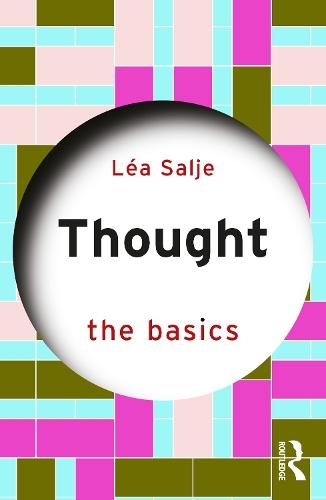
OverviewOur heads buzz with them while we're awake. They can spur us to action and creativity, or to daydream. They can be opinionated or contemplative, fleeting or recurring. We couldn’t do without them. Yet it remains surprisingly difficult to explain even the rudiments of thought without confusion or philosophical controversy. In clear, accessible and engaging style Thought: The Basics gets to grips with the nature of human thought, addressing important questions such as: What are the contents of thought? How does thought represent the world around us? How does language affect the thoughts we think? What causes thoughts in the first place? Is thought subject to bias, and is this always a bad thing? How are our bodies related to our thoughts? What is free thought? With just the right balance of theory and illustrative examples, Thought: The Basics is ideal for anyone coming to this fascinating but deceptively difficult topic for the first time. Full Product DetailsAuthor: Léa Salje (University of Leeds, UK)Publisher: Taylor & Francis Ltd Imprint: Routledge ISBN: 9781032363530ISBN 10: 1032363533 Pages: 144 Publication Date: 03 July 2026 Audience: General/trade , College/higher education , General , Tertiary & Higher Education Format: Paperback Publisher's Status: Forthcoming Availability: Not yet available This item is yet to be released. You can pre-order this item and we will dispatch it to you upon its release. Table of ContentsIntroduction 1. What is ""Philosophy of Thought""? 2. How Does a Thought Get to be About What It’s About? 3. What Form do Thoughts Take? 4. How do Our Thoughts Influence Us? 5. How Does Our Thinking Fall Short of Ideal? 6. What Can Thought Pathologies Tell Us? 7. Where in the World Are Thoughts? 8. Closing Thoughts. IndexReviewsAuthor InformationLéa Salje is an associate professor in the School of Philosophy at the University of Leeds, UK, and Director of the Centre for Theoretical Philosophy at Leeds. She is Associate Editor of the journal MIND and a member of the Executive Committee at the Royal Institute of Philosophy. Tab Content 6Author Website:Countries AvailableAll regions |
||||