Overview
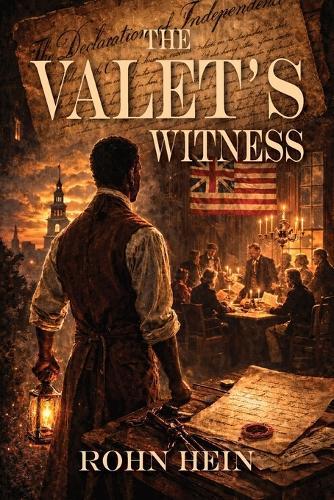
In the summer of 1776, as the Declaration of Independence takes shape within the charged chambers of the Second Continental Congress, two lives unfold in quiet, irrevocable collision-one etched into the official record, the other deliberately erased from it. Edward Rutledge, the youngest delegate from South Carolina, moves with calculated precision through a world of rhetoric and reputation. Brilliant, ambitious, and deeply entangled in the economic realities of his homeland, he walks a perilous line between liberty and self-preservation. He argues fiercely for independence while working just as diligently to shield the institution of slavery from scrutiny, determined that the new nation will rise without unsettling the foundation upon which his power-and his prosperity-rests. At his side stands Pompey, his enslaved valet-unseen, unacknowledged, yet ever-present. Moving silently through corridors thick with ambition and contradiction, Pompey becomes a witness to history in its most unguarded moments. He listens where others speak freely, observes where others perform, and remembers what others choose, or need, to forget. To the men shaping a nation, he is invisible; to the truth, he is indispensable. Among the servants and valets attending the southern delegates, a hidden network begins to take shape-men bound by circumstance yet united by awareness. In kitchens, in narrow stairwells, in the shadowed edges of candlelit rooms, they exchange fragments of overheard debates and whispered concessions. They piece together a parallel record of the nation's birth: one of uneasy compromises, moral evasions, and calculated silences. They hear the arguments over freedom and tyranny; they witness the careful removal of any language that might threaten the institution that binds them. As Rutledge maneuvers behind closed doors-pressing to strike any condemnation of slavery from the final draft-Pompey gathers something far more fragile and far more dangerous than political victory: memory. Each conversation, each omission, each moment of hesitation becomes part of a story that has no place in the official narrative. It is a story carried not in ink, but in the minds of those denied the power to write it. Yet history has a way of resurfacing through the voices it tried to silence. The Valet's Witness is a sweeping, intimate reimagining of America's founding, illuminating the lives that moved just beyond the margins of recorded history. With lyrical depth and moral clarity, it reveals not only how independence was declared, but what-and who-was sacrificed to secure it. In the space between liberty and bondage, between principle and profit, a hidden truth emerges-one that challenges the very meaning of freedom in a nation built on both hope and contradiction.
Full Product Details
Author: Rohn Hein
Publisher: Historium Press
Imprint: Historium Press
Dimensions:
Width: 15.20cm
, Height: 1.80cm
, Length: 22.90cm
Weight: 0.413kg
ISBN: 9798950078941
Pages: 308
Publication Date: 04 July 2026
Audience:
General/trade
,
General
Format: Paperback
Publisher's Status: Active
Availability: Not yet available

This item is yet to be released. You can pre-order this item and we will dispatch it to you upon its release.