Overview
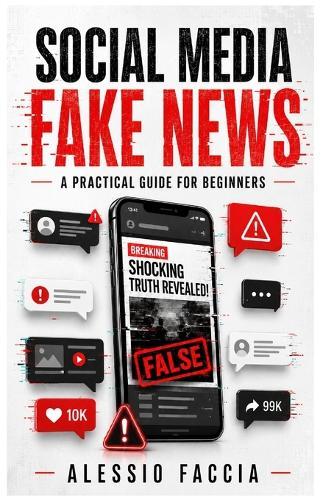
Social Media Fake News: A Practical Guide for Beginners gives readers a clear method for spotting false, misleading, manipulated, and scam-related content across social media. Every day, users face viral posts, cropped videos, fake screenshots, edited images, AI-generated content, false statistics, fake expert claims, scam giveaways, and urgent warnings shared through public feeds, private groups, reels, stories, and comments. Many of these posts look polished, familiar, and trustworthy. Many arrive from friends, relatives, colleagues, or accounts with large followings. The problem is not only poor spelling or strange websites. Modern false content often looks professional. This beginner-friendly guide explains how fake news works online and how ordinary users should respond before sharing. It separates misinformation, disinformation, manipulated content, satire, propaganda, scam posts, impersonation, AI fakes, fake giveaways, and viral rumours. It also explains why false claims spread so fast, why intelligent people believe weak claims, and why emotion, urgency, social trust, repetition, popularity, and group identity influence online judgement. The book gives readers practical checks they can use straight away. Readers learn how to inspect sources, account names, dates, missing evidence, suspicious visuals, old images, cropped videos, screenshots, fake numbers, misleading charts, anonymous pages, fake authority, and urgent calls for action. It also explains why screenshots need source tracing, why popularity does not prove accuracy, why comments are not evidence, and why serious claims about health, money, safety, crime, elections, public reputation, and named individuals need stronger proof. A full chapter covers warning signs, including emotional headlines, urgent sharing instructions, weak sources, anonymous accounts, missing context, suspicious images, misleading statistics, distorted charts, fake numbers, and unsupported claims. Another chapter explains major styles of social media fake news, including clickbait posts, conspiracy claims, fake expert content, AI-generated media, edited videos, scam adverts, fake rewards, impersonated brands, and false public warnings. The final chapter gives simple routines for safer online behaviour. Readers learn the Pause and Question Method, source checks, account checks, image checks, video checks, screenshot checks, comparison with reliable sources, and a decision guide for whether to share, ignore, report, or verify a claim. This book is suitable for students, parents, teachers, trainers, professionals, older adults, community groups, and anyone who wants stronger media literacy without technical jargon. It does not require advanced tools. It focuses on habits: pause, question, check, compare, and decide. Readers will learn how to ask better questions before trusting a post: Who is the source? What is the claim? What evidence supports it? What date and location apply? What context is missing? Who benefits if people believe it? What harm might occur if it is false? Which reliable source confirms it? Should I share, ignore, report, or verify? Social media fake news spreads when people react first and think later. This guide helps readers reverse the order. Think first. Check first. Share only when the claim has earned trust.
Full Product Details
Author: Alessio Faccia
Publisher: Independently Published
Imprint: Independently Published
Dimensions:
Width: 15.20cm
, Height: 1.60cm
, Length: 22.90cm
Weight: 0.404kg
ISBN: 9798198840973
Pages: 300
Publication Date: 27 May 2026
Audience:
General/trade
,
General
Format: Paperback
Publisher's Status: Active
Availability: Available To Order

We have confirmation that this item is in stock with the supplier. It will be ordered in for you and dispatched immediately.