Overview
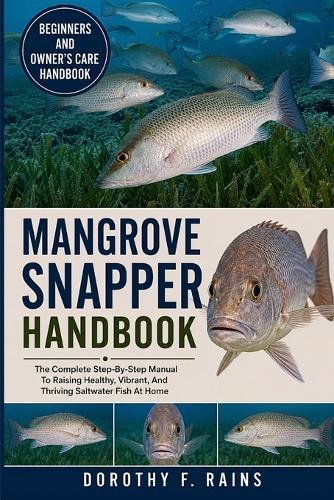
Introduction to Mangrove Snappers Mangrove snappers, scientifically known as Lutjanus griseus, are one of the most intriguing and versatile species in the marine aquarium world. These fish are widely appreciated for their striking appearance, adaptability, and the unique challenges they present to both novice and experienced aquarists. Their common name comes from their natural association with mangrove ecosystems, where they inhabit shallow coastal waters, estuaries, and brackish habitats. Understanding this species in detail is essential for any beginner aiming to provide a healthy and thriving environment for these captivating fish. Overview of the Species The mangrove snapper is a medium-sized predatory fish that belongs to the family Lutjanidae, which is renowned for its members' vibrant colors, sharp teeth, and impressive hunting skills. Adult mangrove snappers typically reach lengths of 20-30 inches in the wild, though individuals in home aquariums usually remain smaller due to tank limitations and controlled feeding. Their bodies are elongated and laterally compressed, which gives them agility and speed in the water, a characteristic vital for hunting smaller fish and crustaceans. In terms of coloration, mangrove snappers have a range of hues, including olive-green, reddish-brown, or grayish tones, often with subtle red highlights along their fins and body edges. Juveniles tend to be more vividly patterned, with dark lateral stripes or spots that fade as they mature. This dynamic coloration not only serves as camouflage in their natural environment but also adds to their visual appeal in home aquariums. Mangrove snappers are carnivorous by nature. Their diet primarily consists of smaller fish, shrimp, crabs, and other invertebrates. In captivity, they adapt well to a variety of prepared foods, such as frozen shrimp, fish fillets, and high-protein pellets, although occasional live feeding can stimulate their natural hunting instincts. Their predatory behavior, while fascinating to observe, requires careful selection of tank mates, especially in smaller aquariums. Another defining feature of mangrove snappers is their hardy constitution. While they thrive in the wild under varying environmental conditions, they also demonstrate a remarkable tolerance for changes in salinity and temperature, making them suitable for beginner aquarists who are still learning to manage marine tanks. This resilience, however, should not be mistaken for invulnerability. Proper care, including stable water conditions and balanced nutrition, is crucial for their long-term health and growth. The social behavior of mangrove snappers also contributes to their appeal. While juveniles often form schools, adult individuals may become more territorial, especially in confined spaces. Observing their interactions, including hunting strategies, territorial displays, and social hierarchy, can be both educational and entertaining for aquarists. This balance between manageable care and engaging behavior is a key factor in their popularity among beginners. History and Natural Habitat Mangrove snappers have a long-standing presence in coastal ecosystems across the western Atlantic Ocean. Their range spans from the eastern coast of the United States, including Florida and the Gulf of Mexico, down to the Caribbean and northern South America. Within these regions, mangrove snappers have adapted to a variety of habitats, from shallow estuaries and river mouths to deeper offshore reefs. Their association with mangroves, however, is particularly notable. Mangrove forests, with their intricate root systems and calm waters, offer an ideal nursery environment for juvenile snappers. These habitats provide shelter from predators, abundant food sources, and a complex structure that promotes natural behaviors such as hunting and schooling.
Full Product Details
Author: Dorothy F Rains
Publisher: Independently Published
Imprint: Independently Published
Dimensions:
Width: 15.20cm
, Height: 1.10cm
, Length: 22.90cm
Weight: 0.286kg
ISBN: 9798196971983
Pages: 208
Publication Date: 14 May 2026
Audience:
General/trade
,
General
Format: Paperback
Publisher's Status: Active
Availability: Available To Order

We have confirmation that this item is in stock with the supplier. It will be ordered in for you and dispatched immediately.