Overview
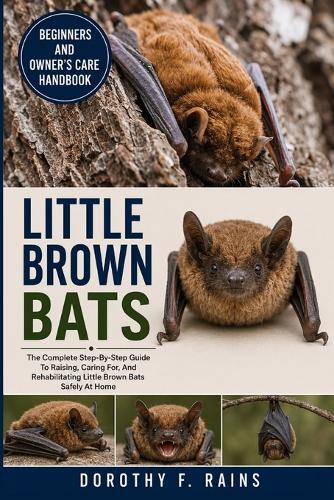
Introduction to Little Brown Bats The little brown bat, scientifically known as Myotis lucifugus, is one of North America's most familiar bat species. Despite their small size, these creatures hold a significant place in the natural world, contributing to the balance of ecosystems in ways that are often unnoticed. For beginners interested in bat care, understanding the biology, habitat, behavior, and ecological role of little brown bats is an essential first step. This introduction serves as a foundational guide, offering insights into their life in the wild and the unique characteristics that make them both fascinating and important. Overview of the Species Little brown bats are small mammals that belong to the family Vespertilionidae, the largest family of bats globally. Adults typically have a wingspan ranging from 22 to 27 centimeters (approximately 8.5 to 10.5 inches) and weigh only about 5 to 14 grams, roughly equivalent to a few pennies. Despite their diminutive size, they are agile flyers with sophisticated echolocation abilities that allow them to navigate and hunt in complete darkness. Their fur is usually a rich brown color, with a lighter, almost creamy underside. The wing membranes are thin, leathery, and dark, extending from the elongated fingers down to the ankles, which enables precise and rapid movements during flight. These physical adaptations make little brown bats exceptional hunters of flying insects. They are nocturnal, meaning they are most active during the night, and they rely heavily on echolocation to detect prey, avoid obstacles, and communicate with one another. Little brown bats are also notable for their longevity compared to other small mammals. While most animals of similar size may live only a few years, these bats can survive up to 30 years in the wild under favorable conditions. This remarkable lifespan highlights their resilience and adaptability, although it also underscores the vulnerability of the species to environmental threats, diseases, and human interference. From a behavioral perspective, little brown bats are highly social animals. They often form colonies that can range from a few individuals to several thousand, especially during hibernation or maternity periods. Within these colonies, bats engage in complex interactions, including grooming, vocal communication, and cooperative behaviors that enhance survival. Their social structure is vital not only for protection from predators but also for thermoregulation and efficient foraging. Natural Habitat and Behavior Little brown bats are widely distributed across North America, from the Atlantic to the Pacific coasts and from Canada down to parts of Mexico. They thrive in a variety of habitats, including forests, wetlands, urban areas, and near bodies of water. Proximity to water is particularly important because aquatic environments tend to harbor abundant insect populations, which constitute the primary diet of these bats. Rivers, lakes, and ponds serve as prime hunting grounds where bats can capture mosquitoes, moths, beetles, and other flying insects. During the warmer months, little brown bats are typically found roosting in trees, caves, buildings, or other sheltered locations. Their roosting choices often depend on factors such as safety from predators, proximity to food sources, and temperature stability. In buildings, they are known to occupy attics, wall cavities, and even under eaves. This adaptability to human-altered environments has allowed the species to persist despite significant habitat changes caused by urbanization and deforestation.
Full Product Details
Author: Dorothy F Rains
Publisher: Independently Published
Imprint: Independently Published
Dimensions:
Width: 15.20cm
, Height: 1.00cm
, Length: 22.90cm
Weight: 0.245kg
ISBN: 9798196971259
Pages: 178
Publication Date: 14 May 2026
Audience:
General/trade
,
General
Format: Paperback
Publisher's Status: Active
Availability: Available To Order

We have confirmation that this item is in stock with the supplier. It will be ordered in for you and dispatched immediately.