Overview
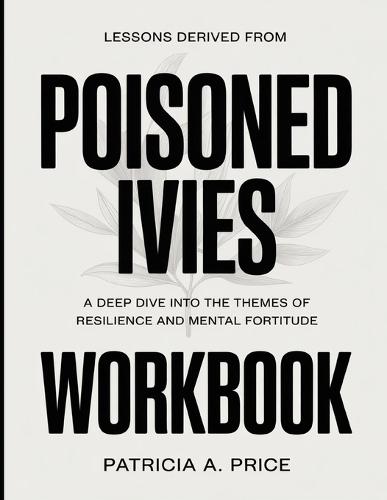
Lessons Derived From Poisoned Ivies Beauty Can Be Deceptive This work begins with a striking reminder that what appears elegant, refined, or desirable can sometimes conceal harm. It teaches the importance of looking beyond surface appeal before placing trust or making decisions. Trust Must Be Earned, Not Assumed One of the central lessons is discernment in relationships. The narrative emphasizes that trust should grow through consistent actions over time, not be given instantly based on appearances or promises. Hidden Toxicity Often Grows Quietly Like ivy that spreads silently, harmful influences do not always announce themselves. The book highlights the danger of ignoring small warning signs until they become deeply rooted problems. The Importance of Emotional Awareness It encourages sensitivity to one's emotional environment-recognizing when a situation, relationship, or mindset is draining rather than nurturing. Boundaries as a Form of Self-Protection A key lesson is the necessity of setting clear personal limits. Boundaries are not acts of rejection but acts of preservation, ensuring one's peace, dignity, and growth remain intact. Not Every Connection Is Meant to Last The work challenges the belief that all relationships are permanent. Some connections serve a temporary purpose, and knowing when to let go becomes a form of wisdom. The Slow Nature of Emotional Damage Emotional harm often accumulates gradually rather than instantly. The book teaches readers to pay attention to subtle shifts in behavior, mood, and energy over time. Self-Deception Can Be More Dangerous Than External Harm Sometimes the greatest risk lies in ignoring what we already sense internally. The lessons stress honesty with oneself, even when truth is uncomfortable. The Courage to Walk Away Leaving toxic environments or relationships requires strength. The book reframes departure not as weakness, but as an act of courage and self-respect. Patterns Reveal Truth More Than Words Instead of relying on promises, the narrative encourages observing repeated behavior. Patterns expose character far more reliably than isolated moments or speeches. Healing Requires Distance Recovery from harmful influence often begins with separation. The book highlights the importance of space in regaining clarity, peace, and emotional stability. Growth Demands Emotional Cleanliness Just as plants cannot thrive in polluted soil, personal development struggles in toxic environments. The lesson is clear: growth requires a healthy emotional foundation. The Cost of Ignoring Intuition Inner warnings are often dismissed in favor of hope or attachment. The book teaches that intuition is a form of early protection that should not be ignored. Strength Is Found in Self-Preservation Protecting one's mental and emotional health is portrayed as strength, not selfishness. Survival sometimes depends on prioritizing oneself without guilt. Forgiveness Does Not Require Reconnection The work separates forgiveness from continued access. One can release resentment without reopening the door to harm.
Full Product Details
Author: Patricia A Price
Publisher: Independently Published
Imprint: Independently Published
Dimensions:
Width: 21.60cm
, Height: 0.30cm
, Length: 27.90cm
Weight: 0.133kg
ISBN: 9798195684013
Pages: 46
Publication Date: 29 May 2026
Audience:
General/trade
,
General
Format: Paperback
Publisher's Status: Active
Availability: Available To Order

We have confirmation that this item is in stock with the supplier. It will be ordered in for you and dispatched immediately.