Overview
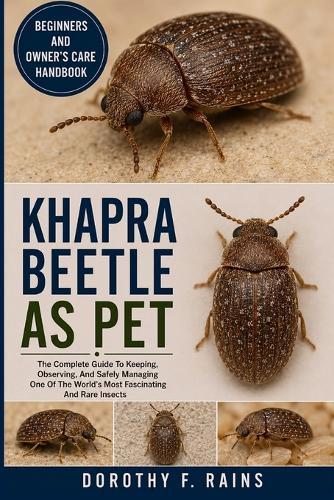
Introduction to the Khapra Beetle Understanding what the khapra beetle is, its origins, and why some people are fascinated by keeping unusual insects as pets. The world of insects is vast, mysterious, and deeply fascinating. For centuries, humans have studied insects for their beauty, usefulness, and sometimes their destructive power. While many people view insects simply as pests or harmless background creatures, a growing number of enthusiasts, researchers, and hobbyists see them differently. They appreciate insects as complex living organisms with unique behaviors, survival strategies, and ecological importance. Among these remarkable creatures is the khapra beetle, a tiny but resilient insect that has captured the attention of scientists and unconventional pet enthusiasts alike. This chapter introduces the khapra beetle in a detailed and accessible way. It explains what the insect is, where it originated, how it became globally significant, and why some people are intrigued by the idea of observing or studying it in controlled environments. Although the khapra beetle is best known as a serious pest of stored grains, its biology and adaptability make it an unusual subject of interest in the growing field of insect observation and unconventional pet keeping. What Is the Khapra Beetle? The khapra beetle, scientifically known as Trogoderma granarium, belongs to the Dermestidae family. This group of beetles is commonly referred to as skin beetles or carpet beetles, many of which feed on dried organic materials. However, the khapra beetle stands apart because of its preference for stored grains and dry food products. It is considered one of the most destructive pests affecting food storage worldwide. Adult khapra beetles are very small, usually measuring between two and three millimeters in length. Their bodies are oval-shaped and brownish, often with lighter or darker patterns. At first glance, the adult beetle appears harmless and unremarkable. It does not bite, sting, or attack humans, and it is rarely seen because it prefers dark, hidden environments. The adult stage is also relatively short-lived and not responsible for major damage. The real concern lies in the larval stage. Khapra beetle larvae are elongated, hairy, and highly mobile. They actively feed on grains such as wheat, rice, maize, barley, and other dry plant materials. These larvae can cause significant damage by consuming food and contaminating it with their skins, hairs, and waste. Their presence often leads to the loss of large quantities of stored food, making them a major threat to food security. One of the most remarkable characteristics of the khapra beetle is its resilience. The larvae can survive under harsh conditions, including high temperatures and long periods without food. They can also enter a dormant state, known as diapause, which allows them to remain inactive until favorable conditions return. This ability contributes to the beetle's reputation as one of the toughest and most difficult pests to control. Origins and Early History The khapra beetle is believed to have originated in South Asia and parts of the Middle East. Countries such as India, Pakistan, Afghanistan, and neighboring regions have long been considered its native habitat. These areas are characterized by warm, dry climates, which provide ideal conditions for the beetle's development and survival. Historically, the insect lived in natural environments, feeding on seeds and dried plant materials. However, as human societies began storing grains and agricultural products, the khapra beetle found new opportunities. Grain storage facilities provided abundant food and shelter, allowing the species to thrive and multiply. With the expansion of global trade, the beetle began spreading to other parts of the world. Infested shipments of grains and food products carried the insect across borders and continents.
Full Product Details
Author: Dorothy F Rains
Publisher: Independently Published
Imprint: Independently Published
Dimensions:
Width: 15.20cm
, Height: 1.10cm
, Length: 22.90cm
Weight: 0.281kg
ISBN: 9798196969980
Pages: 206
Publication Date: 14 May 2026
Audience:
General/trade
,
General
Format: Paperback
Publisher's Status: Active
Availability: Available To Order

We have confirmation that this item is in stock with the supplier. It will be ordered in for you and dispatched immediately.