Overview
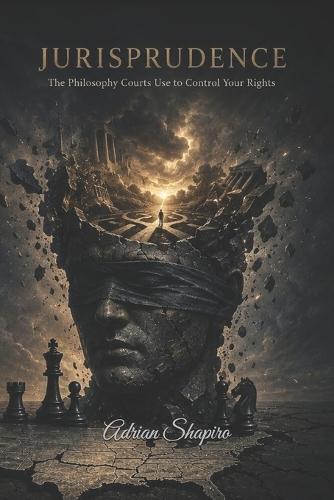
Every judge who has ever decided a case was operating from a philosophy of law. Most of them never examined it. Most of them absorbed it from their legal education without being told it was one framework among several competing ones - each with different implications for how rights are defined, how statutes are interpreted, how the Constitution is applied, and ultimately for who wins and who loses when law is brought to bear on real lives. That hidden philosophy is what this book exposes. Jurisprudence is the branch of legal philosophy that asks not what the law says but what law is - not what courts have decided but what courts are actually authorized to do - not what legislators have enacted but what makes their enactments binding on citizens who never consented to them. It is simultaneously the most abstract subject in legal education and the most practically consequential, because every major constitutional dispute, every major debate about judicial philosophy, and every major argument about the role of courts in American democracy is at bottom a jurisprudential argument about the nature of law and the proper sources of legal authority. This book makes jurisprudence accessible to every citizen who has ever wondered why judges disagree so fundamentally about what the Constitution means, why some courts find rights that other courts cannot locate in the same document, why the Supreme Court can overturn fifty years of established precedent and call it fidelity to the law, and why the judicial philosophy of the judges who decide their cases matters more to their legal rights than almost anything else about the legal system they navigate. Every major school of jurisprudential thought is covered honestly and completely - natural law, legal positivism, legal realism, originalism, living constitutionalism, critical legal studies, feminist jurisprudence, critical race theory, and law and economics. Each is presented with its genuine strengths and its genuine limitations, without caricature and without a predetermined winner. Real Supreme Court decisions are used throughout to show exactly how competing philosophical frameworks produce dramatically different outcomes for real people in real cases. Readers will learn how to read any court opinion and identify the jurisprudential framework driving the result, how to evaluate whether a court's stated methodology is consistent with its conclusions, how to frame legal arguments that engage the philosophical commitments of specific judges, and how to recognize when legal institutions are making contestable philosophical choices while presenting those choices as legal necessity. The decisions that shaped American constitutional law - Brown v. Board of Education, Roe v. Wade, Dobbs, Heller, Bostock, Loper Bright, Obergefell - are not random. They are the products of specific philosophical choices that this book equips every reader to understand, evaluate, and challenge. Law has always had a philosophy. The people it governs deserve to know what it is.
Full Product Details
Author: Adrian Shapiro
Publisher: Independently Published
Imprint: Independently Published
Volume: 11
Dimensions:
Width: 15.20cm
, Height: 2.10cm
, Length: 22.90cm
Weight: 0.531kg
ISBN: 9798198348097
Pages: 398
Publication Date: 23 May 2026
Audience:
General/trade
,
General
Format: Paperback
Publisher's Status: Active
Availability: Available To Order

We have confirmation that this item is in stock with the supplier. It will be ordered in for you and dispatched immediately.