|
|
|||
|
||||
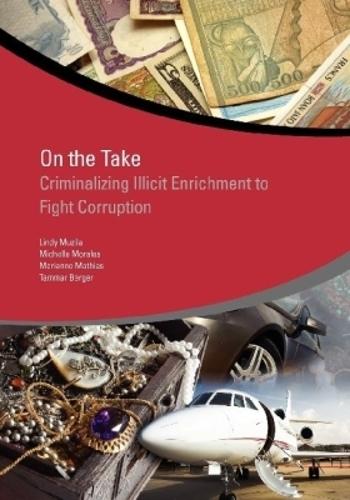
OverviewIllicit enrichment is criminalized under Article 20 of the United Nations Convention against Corruption (UNCAC), which defines it as the “significant increase in the assets of a public official that he or she cannot reasonably explain in relation to his or her lawful income.” Despite broad international recognition of the criminalization of illicit enrichment, it has not been universally accepted as an anti-corruption measure. Instead, such criminalization continues to generate extensive debate and controversy. Against this background, based on country experience, this study aims at providing an analysis of how the criminalization of illicit enrichment works, with a view to shedding light on any contributions that it has made to the fight against corruption and promoting the recovery of stolen assets. This study does not seek to recommend or oppose the adoption of illicit enrichment provisions. Rather, it aims to assist jurisdictions considering such steps by highlighting key questions that might arise during implementation, including how the offense is defined and enforced domestically by States. Similarly, this study does not endorse nor criticize any practice carried out by States in the implementation of the criminalization of illicit enrichment. Full Product DetailsAuthor: Lindy Muzila , Michelle Morales , Marianne Mathias , Tammar BergerPublisher: World Bank Publications Imprint: World Bank Publications Dimensions: Width: 17.80cm , Height: 0.60cm , Length: 25.40cm Weight: 0.157kg ISBN: 9780821394540ISBN 10: 0821394541 Pages: 120 Publication Date: 30 August 2012 Audience: General/trade , General Format: Paperback Publisher's Status: Active Availability: In Print This item will be ordered in for you from one of our suppliers. Upon receipt, we will promptly dispatch it out to you. For in store availability, please contact us. Table of ContentsReviewsAuthor InformationTab Content 6Author Website:Countries AvailableAll regions |
||||