Overview
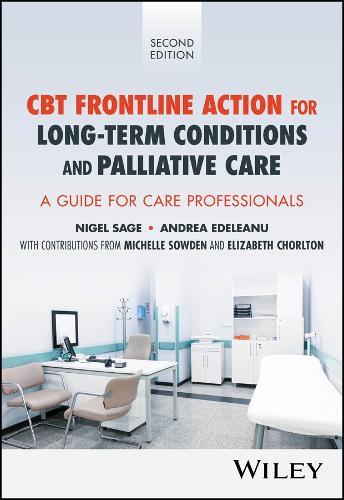
Apply CBT techniques to emotional challenges of long-term illness CBT Frontline Action for Long-Term Conditions and Palliative Care is a guide to the sensitive application of CBT to promote psychological well-being in people with life-changing physical illnesses such as cancer, diabetes, heart problems and multiple sclerosis. Living with a long-term condition or life-limiting illness brings challenges that extend far beyond the physical. For many people, emotional distress, unhelpful habits, anxieties, dilemmas, and setbacks become part of the landscape of daily life. Those providing care—whether in hospitals, community teams, social care, or specialist palliative services—encounter these difficulties every day, often without the psychological tools they wish they had. This book is written for those practitioners. CBT Frontline Action offers a practical, respectful way of bringing psychological understanding into routine clinical work. It is designed for busy professionals who want to respond more confidently and sensitively when distress gets in the way of treatment, recovery, or quality of life. Its aim is not to turn readers into therapists, but to help them use proven cognitive behavioural ideas in straightforward, timely ways that fit naturally into their established roles. Drawing on many years of practice in physical health, mental health, and palliative care, the authors describe a clear pathway for using CBT Frontline Action (CFA): how to spot when it may help, how to understand what is happening for the person in front of the practitioner, and how to choose small, focused interventions that can make a meaningful difference. The book is arranged in three parts: Practitioner Briefings, which outline the key actions and decisions in CFA, illustrated with practitioner characters whose experiences mirror those of real-world staff. The Manual, which explains the evidence, skills, and principles underpinning CBT in long-term conditions, accompanied by case examples that reflect the complexity and humanity of the work. The Toolkit, a practical resource containing problem guides, techniques, information sheets, and record forms to support day-to-day practice. Throughout the book, collaboration, empathy, and the importance of working with, not on, the people being supported are emphasised. The authors also highlight the value of self-awareness and self-care for practitioners, recognising that emotionally demanding work requires attention to personal wellbeing. Whether working in health care, social care, or community settings, readers are encouraged to feel more equipped to respond to distress, more attuned to the psychological dimensions of illness, and more confident in the small actions that often make the biggest difference. Written by practitioners for practitioners, this book aims to support the shared endeavour of helping people live as fully as possible in the face of long-term and life-changing conditions.
Full Product Details
Author: Nigel Sage (Phyllis Tuckewll Hospice and Beacon Centre Community Palliative Care Services, UK) ,
Andrea Edeleanu (Surrey and Borders Partnership NHS Trust, UK) ,
Michelle Sowden (Frimley Park Hospital, UK) ,
Elizabeth Chorlton (Frimley Park Hospital, UK)
Publisher: John Wiley & Sons Inc
Imprint: John Wiley & Sons Inc
Edition: 2nd edition
Dimensions:
Width: 17.00cm
, Height: 2.40cm
, Length: 24.40cm
Weight: 0.794kg
ISBN: 9781118769270
ISBN 10: 1118769279
Pages: 448
Publication Date: 13 May 2026
Audience:
Professional and scholarly
,
Professional & Vocational
Format: Paperback
Publisher's Status: Active
Availability: Out of stock

The supplier is temporarily out of stock of this item. It will be ordered for you on backorder and shipped when it becomes available.
Author Information
Nigel Sage is a retired Consultant Clinical Psychologist in Cancer and Palliative. He is an accredited CBT therapist and continues to provide clinical supervision for other therapists. Andrea Edeleanu is a retired clinical health psychologist and CBT therapist. She continues to work as a coach and mentor for people with long-term conditions. Michelle Sowden is a Clinical Psychologist, now in private practice after 25 years working in acute hospital settings. In addition, she provides supervision and training related to physical health care issues to a range of health care professionals. Elizabeth Chorlton is a Chartered Clinical Psychologist working in oncology and palliative care.