Overview
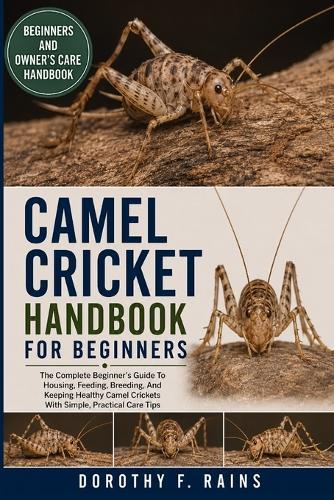
Introduction to Camel Crickets What Camel Crickets Are Camel crickets are fascinating, often misunderstood insects that belong to the family Rhaphidophoridae. Unlike the chirping crickets most people are familiar with, camel crickets are silent, nocturnal creatures that thrive in dark, damp environments. Their name comes from the distinctive humpbacked appearance of their bodies, which resembles the curved back of a camel. This unusual shape, combined with their long legs and antennae, gives them a unique and somewhat alien-like look that immediately captures attention. Camel crickets are also commonly referred to by several other names, including cave crickets, spider crickets, and sand treaders. Each of these names reflects a different aspect of their biology or habitat. The name ""cave cricket"" highlights their preference for dark, sheltered environments such as caves, basements, and crawl spaces. ""Spider cricket"" refers to their long, spindly legs, which can make them appear similar to spiders at first glance. ""Sand treader"" is used for species that inhabit dry, sandy regions, demonstrating the diversity within this group. Unlike true crickets, camel crickets lack wings. This means they do not produce the familiar chirping sound associated with other cricket species. Their silence is one of their defining traits, making them particularly appealing to people who want to keep insects without the constant background noise. Instead of relying on sound, camel crickets depend heavily on their highly sensitive antennae to navigate their surroundings and detect food, threats, and environmental changes. Camel crickets are primarily scavengers. In the wild, they feed on a wide range of organic materials, including decaying plant matter, fungi, small insects, and even animal remains. This flexible diet allows them to survive in environments where food resources may be limited or unpredictable. Their adaptability is one of the reasons they are able to thrive in both natural and human-made habitats. Physical Characteristics One of the most striking features of camel crickets is their body structure. Their humpbacked shape is not just for appearance; it plays a role in their movement and survival. The curved back allows for greater flexibility and agility, which is essential for navigating uneven terrain such as rocky caves or cluttered basement floors. Camel crickets typically range in size from about 0.5 to 1.5 inches in body length, though their long legs can make them appear much larger. Their legs are specially adapted for jumping, and they can leap surprisingly far relative to their body size. This sudden jumping behavior is often what startles people the most when they encounter camel crickets for the first time. Their coloration is usually muted, consisting of shades of brown, tan, or gray. This natural camouflage helps them blend into their surroundings, whether they are hiding among rocks, soil, or decaying wood. Some species may have darker markings or subtle patterns, but they generally lack the bright colors seen in many other insects. The antennae of camel crickets are exceptionally long, often exceeding the length of their bodies. These antennae are vital sensory organs, allowing the crickets to feel their way through dark environments where vision is limited. Their eyes are relatively small, as they rely more on touch and vibration than sight. Another notable feature is the absence of wings. Without wings, camel crickets cannot fly, but this limitation is balanced by their powerful jumping ability. Their hind legs are muscular and designed for quick bursts of movement, enabling them to escape predators and navigate complex environments.
Full Product Details
Author: Dorothy F Rains
Publisher: Independently Published
Imprint: Independently Published
Dimensions:
Width: 15.20cm
, Height: 1.50cm
, Length: 22.90cm
Weight: 0.386kg
ISBN: 9798196941658
Pages: 288
Publication Date: 14 May 2026
Audience:
General/trade
,
General
Format: Paperback
Publisher's Status: Active
Availability: Available To Order

We have confirmation that this item is in stock with the supplier. It will be ordered in for you and dispatched immediately.