Overview
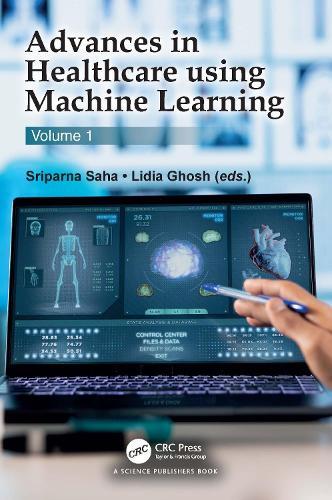
The rapid technological advancements in the healthcare industry over recent decades have been transformative. These innovations have not only enhanced our understanding of the morphology and physiology of various organs but have also significantly improved the early diagnosis and treatment of numerous diseases across different medical specialties. This progress has been largely driven by advancements in artificial intelligence (AI) and computer vision (CV). AI and CV enable the real-time collection, processing, interpretation, and analysis of vast amounts of static and dynamic medical data, revolutionizing disease characterization and patient selection. Early detection is crucial in treating life-threatening illnesses such as COVID-19, pneumonia, and cancer. Computer-based medical imaging techniques, including CT scans and X-rays, play a vital role in diagnosing these conditions. Similarly, biological signals like electroencephalography (EEG) and electrocardiography (ECG) help anticipate brain anomalies and heart diseases. Machine learning further enhances the accuracy of disease prediction, assisting clinicians in making precise diagnoses. By facilitating faster disease recognition, these technologies also enable wider access to healthcare, including remote and underserved areas. This book aims to develop machine learning algorithms that analyze diverse medical data and predict diseases based on their characteristics, ultimately advancing healthcare diagnostics and treatment strategies.
Full Product Details
Author: Sriparna Saha ,
Lidia Ghosh
Publisher: Taylor & Francis Ltd
Imprint: CRC Press
Weight: 0.650kg
ISBN: 9781032853482
ISBN 10: 1032853484
Pages: 252
Publication Date: 09 December 2025
Audience:
College/higher education
,
Professional and scholarly
,
Tertiary & Higher Education
,
Professional & Vocational
Format: Hardback
Publisher's Status: Forthcoming
Availability: Not yet available

This item is yet to be released. You can pre-order this item and we will dispatch it to you upon its release.
Author Information
Sriparna Saha (M.E. & Ph.D, JU) is currently an Assistant Professor (Stage-II) in the Department of Computer Science and Engineering of Maulana Abul Kalam Azad University of Technology, West Bengal, India. She has more than 12 years of experience in teaching and research. Her research area includes AI, CV, HCI etc. with over 90 publications in international journals and conferences. Her major research proposal is accepted for Start Up Grant under UGC Basic Scientific Research Grant. Lidia Ghosh (Gold-Medalist, M.Tech., JU) is an Assistant Professor in the Department of Computer Application at the RCC Institute of Information Technology, India. She was a Postdoctoral Fellow at Liverpool Hope University, UK, and has received multiple prestigious fellowships, including the Rashtriya Uchchatara Shiksha Abhiyan Doctoral Fellowship. She has published over 50 research papers and serves as a reviewer for top IEEE journals. Her research focuses on Cognitive Neuroscience, Deep Learning, Type-2 Fuzzy Sets, and Human Memory Formation.